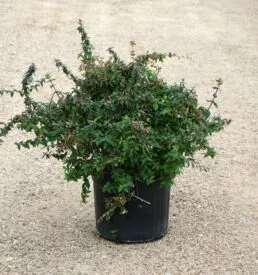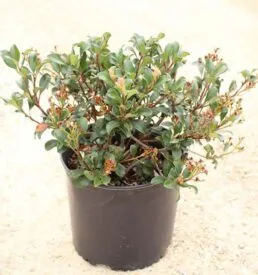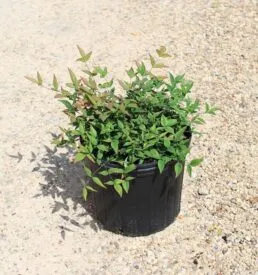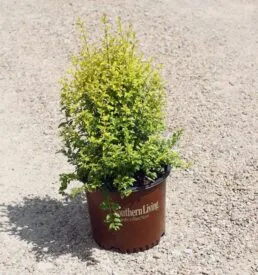

About Skullcap
Skullcap (Scutellaria spp.) is a flowering perennial valued for its compact growth, colorful blooms, heat tolerance, and ability to perform well in sunny, lower-water landscapes.
Ornamental Skullcap varieties are especially useful in borders, rock gardens, pollinator beds, foundation plantings, and drought-conscious landscapes where customers want seasonal flower color without introducing a large shrub.
Depending on the species or cultivar, Skullcap flowers may appear in shades of pink, purple, blue, lavender, or similar tones.
Outdoor Warehouse Supply carries Skullcap in 1-gallon containers, with our highest inventory levels during its primary growing and planting season. Some plants may remain available during other portions of the year depending on inventory and demand.
| Plant Details | Specifications |
|---|---|
| Common Name | Skullcap |
| Botanical Group | Scutellaria spp. |
| Plant Type | Flowering perennial or small subshrub depending on variety |
| Stocked Size | 1 Gallon |
| Availability | Highest volume during primary growing season; some availability may continue outside peak season |
| USDA Hardiness Zones | Varies by species and cultivar |
| Typical Mature Height | Approximately 6–18 inches for many ornamental selections |
| Typical Mature Spread | Approximately 12–24 inches depending on variety |
| Spacing | Typically 12–18 inches apart |
| Growth Habit | Compact, mounding, spreading |
| Sun Exposure | Full sun to partial sun depending on variety |
| Water Requirements | Low to moderate once established |
| Soil Preference | Well-drained soil |
| Flower Colors | Pink, purple, lavender, blue, or similar tones depending on cultivar |
| Bloom Season | Primarily during warm growing months |
| Pollinator Value | Attractive to bees, butterflies, and other pollinators |
| Common Uses | Borders, pollinator gardens, rock gardens, foundation beds, xeriscape-style landscapes, and mass plantings |
Exact mature size, flower color, cold tolerance, and growth habit depend on the specific Skullcap species or cultivar.
Common Names Associated with Skullcap
Customers may search for these plants under names such as:
- Skullcap
- Scutellaria
- Texas Skullcap
- Pink Skullcap
- Flowering Skullcap
The botanical genus is Scutellaria.
Because multiple ornamental species and cultivars are sold under the Skullcap name, I would keep Skullcap as the primary product title unless your supplier identifies a specific selection.
Growth Habit & Mature Size
Many ornamental Skullcap varieties stay relatively low and compact.
A practical general range is approximately 6–18 inches tall and 12–24 inches wide, although some species may grow larger.
The plant commonly develops a mounding or gently spreading habit with flowers held above or throughout the foliage.
Its low profile makes it especially useful at the front of beds or around larger shrubs and ornamental grasses.
Plant Spacing & Common Planting Patterns
Spacing approximately 12–18 inches apart works well for many compact Skullcap varieties.
Closer spacing creates a quicker massed appearance, while slightly wider spacing allows individual plants to develop more distinctly.
Common landscape uses include:
- Sunny borders
- Rock gardens
- Pollinator beds
- Low foundation plantings
- Mass plantings
- Xeriscape-inspired gardens
- Mixed perennial beds
- Decorative gravel landscapes
Sun, Soil & Water Requirements
Most ornamental Skullcap selections perform best in full sun to partial sun.
Strong sunlight generally encourages denser growth and heavier flowering.
Well-drained soil is important.
Once established, many ornamental Skullcaps tolerate dry conditions relatively well and require less supplemental irrigation than many traditional flowering bedding plants.
Newly installed plants still require regular watering while their roots establish.
Persistently saturated soil should be avoided.
Is Skullcap Evergreen or Deciduous?
Winter behavior depends on the specific species, cultivar, and severity of the winter.
Some Skullcaps may remain semi-evergreen in mild conditions, while others experience significant foliage or stem dieback during cold weather.
In North Texas, it is safest to treat ornamental Skullcap as a perennial that may experience winter dieback rather than guaranteeing a fully evergreen appearance.
Healthy established plants may return as temperatures warm.
Growth Rate & Lifespan
Skullcap generally has a moderate growth rate during warm weather.
Compact varieties can fill out relatively quickly once established without becoming excessively large.
As a perennial, Skullcap can remain in the landscape for multiple years where drainage and winter conditions are suitable.
Flowers & Seasonal Interest
Skullcap is grown primarily for its colorful flowers.
Depending on the selection, blooms may appear in:
- Pink
- Purple
- Lavender
- Blue
- Violet tones
Flowering is typically strongest during the warmer growing months.
Many varieties produce repeated blooms rather than one brief flowering period, making Skullcap useful for extended seasonal color.
Skullcap for Pollinator Gardens
Skullcap can be a valuable addition to pollinator-focused landscapes.
Its flowers may attract:
- Bees
- Butterflies
- Other beneficial pollinating insects
Because many varieties remain relatively compact, Skullcap works particularly well toward the front of pollinator beds beneath taller flowering plants such as Salvia, Echinacea, and ornamental grasses.
Skullcap for Low-Water Landscapes
Many ornamental Skullcap selections are useful in drought-conscious landscape designs.
Once established, they can pair well with:
- Texas Sage
- Salvia
- Gaillardia
- Echinacea
- Yucca
- Ornamental grasses
- Decorative gravel
- Decomposed granite
- Landscape boulders
Good drainage remains important, especially in North Texas clay.
Pros & Cons of Skullcap
| Pros | Cons |
|---|---|
| Compact growth works well in small beds | Exact mature size varies by species |
| Strong heat tolerance on many ornamental varieties | Winter dieback may occur |
| Colorful seasonal flowers | Poor drainage can cause decline |
| Good pollinator value | Too much shade may reduce flowering |
| Low to moderate water use once established | Exact flower color depends on cultivar |
| Works well in rock gardens and borders | May not remain evergreen through winter |
| Useful in drought-conscious landscapes | Availability is highest during its primary growing season |
| Easy to combine with other perennials | — |
Skullcap in Dallas–Fort Worth Landscapes
Skullcap can be a strong choice for Dallas–Fort Worth landscapes because many ornamental varieties combine heat tolerance, compact growth, colorful flowers, and relatively low water requirements once established.
Its small mature size makes it especially useful along borders, walkways, rock gardens, foundation beds, and in front of larger shrubs.
The primary North Texas considerations are full sun exposure, good drainage, and avoiding persistently wet clay soils.
Outdoor Warehouse Supply carries 1-gallon Skullcap, with higher inventory levels during its primary growing and planting season.
Some plants may remain available during other parts of the year depending on demand and remaining inventory.
Customers can contact our Plano or Lewisville sales staff for current quantities and seasonal availability.
Industry Contractor & Wholesale Pricing
Outdoor Warehouse Supply offers industry contractor and wholesale pricing for qualifying landscape professionals, builders, property managers, and commercial customers.
Contractors can source Skullcap alongside Salvia, Gaillardia, Echinacea, ornamental grasses, shrubs, trees, decorative stone, soils, mulch, and other landscape materials for projects throughout Dallas–Fort Worth and North Texas.
Contact our Plano or Lewisville locations for current inventory and contractor pricing.
Frequently Asked Questions
What size Skullcap does Outdoor Warehouse Supply carry?
Outdoor Warehouse Supply carries Skullcap in 1-gallon containers.
Does Outdoor Warehouse Supply carry Skullcap year-round?
Outdoor Warehouse Supply stocks its highest volume of Skullcap during the plant’s primary growing and planting season.
Some inventory may remain available during other times of the year depending on demand and stock levels.
What is the botanical name for Skullcap?
Skullcap belongs to the genus Scutellaria.
Because several ornamental species and cultivars are sold under the common name Skullcap, the exact species may vary.
How big does Skullcap get?
Many ornamental Skullcap varieties mature around 6–18 inches tall and 12–24 inches wide.
Exact size depends on the cultivar.
How far apart should Skullcap be planted?
Approximately 12–18 inches apart is a good starting point for many compact varieties.
Does Skullcap need full sun?
Most ornamental Skullcap varieties perform best in full sun to partial sun.
More sunlight generally encourages stronger flowering.
Is Skullcap drought tolerant?
Many ornamental Skullcap varieties develop good drought tolerance once established.
New plants still need regular irrigation while their root systems establish.
What color does Skullcap bloom?
Depending on the variety, flowers may be pink, purple, lavender, blue, or violet.
Does Skullcap attract pollinators?
Yes. Its flowers can attract bees, butterflies, and other beneficial pollinating insects.
Is Skullcap evergreen?
Not reliably.
Some varieties may remain semi-evergreen during mild winters, while colder weather may cause substantial dieback.
Is Skullcap a perennial?
Many ornamental Skullcap varieties are grown as perennials and may return for multiple years when conditions are suitable.
Is Skullcap good for North Texas landscapes?
Yes. Many ornamental varieties perform well in North Texas because of their heat tolerance, manageable size, and relatively low water requirements.