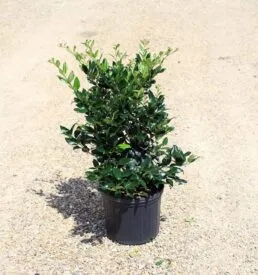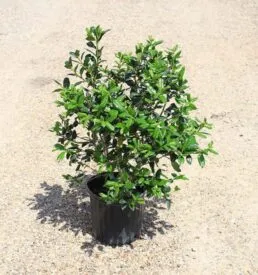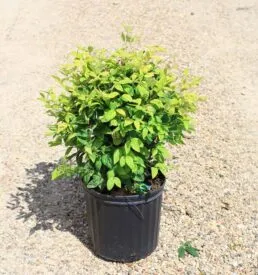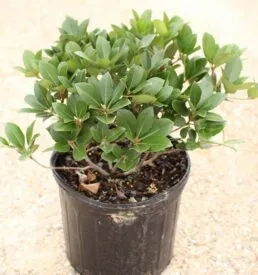
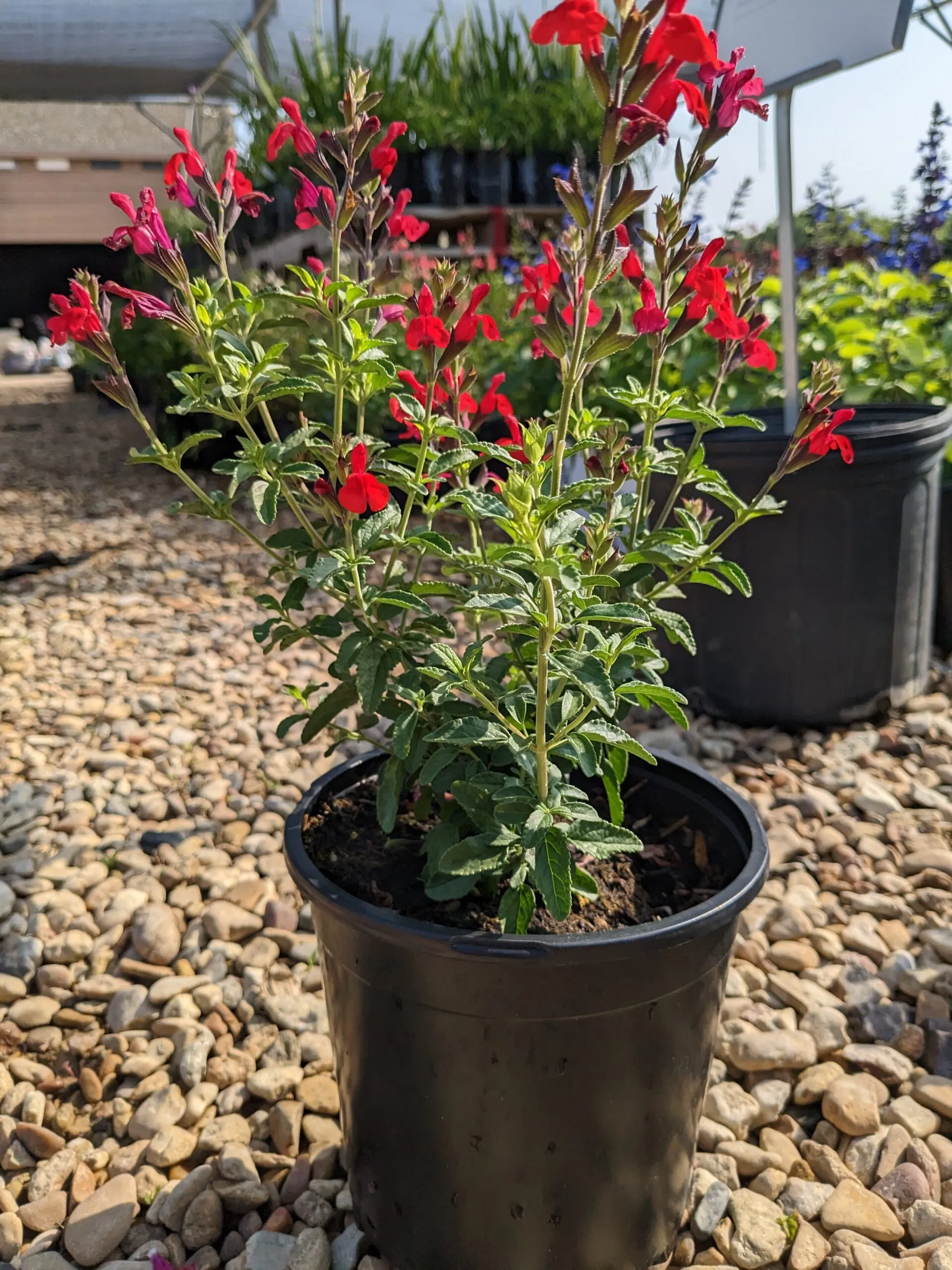

About Salvia
Salvia is a diverse group of flowering plants valued for its long bloom periods, heat tolerance, colorful flower spikes, and strong attraction to hummingbirds, bees, and other pollinators.
Depending on the variety, Salvia may develop into a compact flowering perennial, a larger shrubby plant, or an upright ornamental with dramatic flower spikes. This variety makes Salvia useful throughout residential and commercial landscapes, from sunny borders and pollinator gardens to foundation beds, cottage-style gardens, and drought-conscious planting designs.
Outdoor Warehouse Supply commonly stocks varieties including Greggii Salvia, Black and Blue Salvia, and May Night Salvia, along with additional assorted selections as available.
We stock our highest volumes of Salvia during the spring and summer planting seasons. Some plants may remain available or additional varieties may be stocked at other times of the year depending on inventory and customer demand. Customers are encouraged to contact our Plano or Lewisville sales staff for current varieties and availability.
| Plant Details | Specifications |
|---|---|
| Common Name | Salvia, Sage |
| Botanical Group | Salvia spp. and cultivars |
| Plant Type | Flowering perennial or subshrub depending on variety |
| Common OWS Varieties | Greggii, Black and Blue, May Night & assorted varieties |
| Availability | Highest volume during spring and summer; availability may continue at other times |
| Typical Mature Height | Approximately 18 inches to 4+ feet depending on variety |
| Typical Mature Spread | Approximately 18 inches to 3+ feet depending on variety |
| Growth Habit | Mounding, upright, spreading, or shrubby depending on variety |
| Sun Exposure | Primarily full sun; some varieties tolerate partial shade |
| Water Requirements | Low to moderate once established, depending on variety |
| Soil Preference | Well-drained soil |
| Flower Colors | Red, pink, purple, blue, violet, and other colors depending on cultivar |
| Bloom Season | Primarily spring through fall depending on variety and weather |
| Pollinator Value | Excellent for hummingbirds, bees, butterflies, and other pollinators |
| Common Uses | Pollinator gardens, borders, foundation beds, mass plantings, cottage gardens, and drought-conscious landscapes |
Salvia is a large plant group. Mature size, hardiness, flower color, growth habit, and water requirements vary considerably by species and cultivar.
Common Salvia Varieties We Carry
Outdoor Warehouse Supply regularly carries several popular Salvia selections, although the exact assortment can change throughout the year.
Greggii Salvia
Greggii Salvia (Salvia greggii), commonly called Autumn Sage, is particularly well suited to Texas landscapes.
It typically develops into a woody or semi-woody perennial shrub approximately 2–3 feet tall and wide, depending on cultivar and growing conditions.
Flower colors may include red, pink, coral, purple, white, and combinations of these colors.
Greggii Salvia is valued for:
- Texas heat tolerance
- Low water requirements once established
- Long flowering periods
- Hummingbird activity
- Compact shrubby growth
- Strong performance in sunny landscapes
It is particularly useful in xeriscape-style beds, pollinator gardens, sunny borders, and native-inspired landscapes.
Black and Blue Salvia
Black and Blue Salvia (Salvia guaranitica ‘Black and Blue’) is known for its striking deep blue flowers and nearly black flower calyxes.
It grows substantially taller than many compact Salvia selections, often reaching approximately 2–4 feet tall under favorable conditions.
Its upright growth and intensely colored flowers make it especially effective toward the middle or back of mixed planting beds.
Black and Blue Salvia is also well known for attracting hummingbirds.
Compared with Greggii Salvia, it generally creates a softer, taller, more herbaceous appearance.
May Night Salvia
May Night Salvia (Salvia × sylvestris ‘May Night’) is a compact perennial valued for its upright spikes of deep violet-blue flowers.
It commonly reaches approximately 18–24 inches tall, making it considerably shorter and more compact than Black and Blue Salvia.
May Night works particularly well in:
- Formal borders
- Mass plantings
- Cottage gardens
- Pollinator beds
- Perennial gardens
- Repeating landscape patterns
Removing spent flower spikes can encourage additional flowering during the growing season.
Growth Habit & Mature Size
Salvia varies significantly by variety.
Compact perennial selections such as May Night may remain around 18–24 inches tall, while larger plants such as Black and Blue can reach several feet in height.
Greggii Salvia generally develops a more shrubby form and may reach approximately 2–3 feet tall and wide.
Because these varieties behave differently, customers should select Salvia according to the final scale and appearance desired for the planting area.
| Variety | Typical Height | Typical Spread | General Habit |
|---|---|---|---|
| Greggii Salvia | Approx. 2–3 ft. | Approx. 2–3 ft. | Shrubby, mounded |
| Black and Blue | Approx. 2–4 ft. | Approx. 2–3 ft. | Upright, herbaceous |
| May Night | Approx. 18–24 in. | Approx. 18–24 in. | Compact, upright |
Dimensions are general landscape ranges and may vary according to site conditions and cultivar.
Plant Spacing & Common Planting Patterns
Because Salvia sizes vary, spacing should be based on the mature width of the specific variety.
As a general starting point:
Compact Salvia: approximately 18–24 inches apart.
Medium shrubby Salvia: approximately 2–3 feet apart.
Larger upright varieties: approximately 2–3 feet apart depending on the desired density.
Salvia works especially well in repeating groups rather than isolated single plants.
Common planting patterns include:
- Pollinator gardens
- Sunny borders
- Foundation beds
- Cottage-style gardens
- Mass flower plantings
- Mixed perennial beds
- Native-inspired landscapes
- Commercial landscape color beds
Sun, Soil & Water Requirements
Most Salvia performs best in full sun.
Adequate sunlight typically promotes stronger stems, heavier flowering, and more compact growth.
Some varieties, including Black and Blue Salvia, can tolerate partial shade, although flowering may be reduced when plants receive insufficient sunlight.
Well-drained soil is important.
Once established, many Salvia selections—especially Salvia greggii—develop good drought tolerance.
Newly planted Salvia still requires consistent watering while roots establish.
Excessive irrigation or persistently wet soil can cause root decline and reduce plant longevity.
Is Salvia Evergreen or Deciduous?
The answer depends on the variety and winter conditions.
Many Salvias grown in North Texas behave as herbaceous or semi-evergreen perennials.
Greggii Salvia may retain woody structure and some foliage during mild winters but can experience dieback after hard freezes.
Black and Blue Salvia commonly dies back above ground during cold weather and may return from the root system.
May Night Salvia typically behaves as a herbaceous perennial, becoming dormant during winter before returning in spring.
Customers should therefore not assume that every Salvia remains fully evergreen throughout a North Texas winter.
Growth Rate & Lifespan
Salvia generally establishes relatively quickly under favorable spring and summer growing conditions.
Most perennial selections can remain in the landscape for multiple years when provided with adequate sunlight, proper drainage, and appropriate pruning.
Periodic cutting back or selective pruning can help maintain plant shape and encourage fresh growth.
Exact longevity varies considerably by species, cultivar, planting location, and winter conditions.
Salvia for Pollinator & Hummingbird Gardens
One of Salvia’s strongest landscape advantages is its value to pollinators.
The tubular flowers of many Salvia varieties are particularly attractive to hummingbirds, while bees, butterflies, and other pollinating insects also visit the flowers.
Planting multiple Salvias together can create highly visible areas of color while providing repeated nectar sources throughout the growing season.
Combining different Salvia cultivars can also extend flowering and introduce multiple heights and flower colors into the same landscape.
Long-Season Color for North Texas
Salvia is particularly valuable in Dallas–Fort Worth because many varieties tolerate the region’s heat while continuing to produce flowers during periods when less heat-adapted plants begin to struggle.
Flowering generally begins during spring and can continue through summer and into fall depending on the variety, pruning practices, irrigation, and weather.
Plants may temporarily reduce flowering during periods of extreme heat, but many respond with renewed blooms as conditions improve.
Removing spent flowers and lightly trimming plants during the growing season can encourage fresh growth and additional flowering.
Pros & Cons of Salvia
| Pros | Cons |
|---|---|
| Long flowering season on many varieties | Mature size varies considerably by cultivar |
| Excellent hummingbird and pollinator value | Some varieties die back completely during winter |
| Strong heat tolerance | Poor drainage can cause root problems |
| Many selections become drought tolerant once established | Some varieties benefit from periodic pruning |
| Available in numerous colors and growth habits | Flowering may decrease in excessive shade |
| Works in residential and commercial landscapes | Cold tolerance varies between varieties |
| Excellent for mass plantings and borders | Exact varieties available can change seasonally |
Salvia in Dallas–Fort Worth Landscapes
Salvia is particularly well suited to Dallas–Fort Worth landscapes because many varieties combine heat tolerance, prolonged flowering, pollinator value, and relatively modest water requirements once established.
Greggii Salvia works particularly well in Texas-inspired and drought-conscious landscapes.
Black and Blue Salvia provides greater height and dramatic blue flowering.
May Night creates a shorter, more structured perennial appearance.
This range allows customers to use Salvia throughout different layers of the same landscape.
Outdoor Warehouse Supply stocks its highest volumes of Salvia during the spring and summer planting seasons, including Greggii, Black and Blue, May Night, and other assorted selections depending on availability.
Inventory may continue into other portions of the year, and additional plants may be stocked based on demand.
Customers are encouraged to contact our Plano or Lewisville sales staff for current varieties and quantities.
Industry Contractor & Wholesale Pricing
Outdoor Warehouse Supply offers industry contractor and wholesale pricing for qualifying landscape professionals, builders, property managers, and commercial customers.
Contractors can source Salvia alongside annuals, perennials, shrubs, trees, soils, mulch, decorative aggregates, and other landscape materials for projects throughout Dallas–Fort Worth and North Texas.
Contact our Plano or Lewisville locations for current Salvia varieties, inventory, and contractor pricing.
Frequently Asked Questions
What varieties of Salvia does Outdoor Warehouse Supply carry?
Outdoor Warehouse Supply commonly carries Greggii Salvia, Black and Blue Salvia, and May Night Salvia, along with other assorted varieties.
Exact varieties and colors may change throughout the year.
Is Salvia available year-round?
Outdoor Warehouse Supply stocks its highest volume of Salvia during spring and summer, when landscape demand is greatest.
Plants may remain available or additional varieties may be stocked during other parts of the year depending on inventory and demand.
Customers should contact our Plano or Lewisville sales staff for current availability.
What is the difference between Greggii, Black and Blue, and May Night Salvia?
Greggii Salvia generally develops into a drought-tolerant, shrubby plant approximately 2–3 feet tall.
Black and Blue Salvia grows taller and produces striking deep blue flowers with dark calyxes.
May Night is considerably more compact and produces upright violet-blue flower spikes.
Is Salvia a perennial in North Texas?
Many Salvia varieties are perennial in North Texas.
However, winter behavior and cold tolerance vary considerably by species and cultivar.
Some may retain woody growth while others die back to the ground and return during spring.
Does Salvia need full sun?
Most Salvia varieties perform best in full sun.
Some tolerate partial shade, but flowering may decrease when plants receive insufficient sunlight.
How big does Salvia get?
Size depends heavily on variety.
Compact selections may remain around 18 inches tall, while larger cultivars can reach 3–4 feet or more.
How far apart should Salvia be planted?
Spacing generally ranges from approximately 18 inches to 3 feet, depending on mature plant size.
Customers should consider the specific variety rather than using one spacing recommendation for all Salvias.
Is Salvia drought tolerant?
Many Salvia varieties develop good drought tolerance after establishment.
Greggii Salvia is particularly well suited to lower-water Texas landscapes.
New plants still require regular irrigation while roots become established.
Does Salvia attract hummingbirds?
Yes. Many Salvia varieties are highly attractive to hummingbirds because of their tubular flowers.
Bees and butterflies also commonly visit Salvia blooms.
How long does Salvia bloom?
Many varieties bloom from spring through summer and can continue flowering into fall.
Exact flowering duration depends on cultivar, weather, pruning, sunlight, and irrigation.
Should Salvia be cut back?
Many Salvias benefit from periodic pruning or removal of spent flower spikes.
This can help maintain plant shape and encourage additional growth and flowering.
Does Salvia survive freezes?
Cold tolerance depends on the variety.
Some selections tolerate North Texas winters well, while others may experience considerable above-ground dieback.
Perennial plants may return from their roots after winter dormancy.