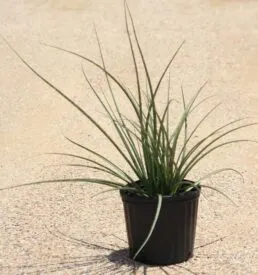

About Black-Eyed Susan Rudbeckia
Black-Eyed Susan (Rudbeckia hirta) is a bright, sun-loving flowering plant known for its golden-yellow petals, dark brown central cones, strong heat tolerance, and excellent pollinator value.
It is especially useful in pollinator gardens, native-inspired landscapes, cottage gardens, perennial borders, and mass plantings where customers want bold seasonal color and a natural, informal appearance.
Rudbeckia hirta may behave as a short-lived perennial, biennial, or annual, depending on cultivar, climate, and growing conditions. In North Texas, it is often valued for strong seasonal flowering and its ability to reseed under favorable conditions.
Outdoor Warehouse Supply primarily carries Black-Eyed Susan in 1-gallon containers, with 3-gallon plants available when inventory allows.
| Plant Details | Specifications |
|---|---|
| Common Name | Black-Eyed Susan |
| Botanical Name | Rudbeckia hirta |
| Plant Type | Short-lived perennial, biennial, or annual depending on conditions |
| Primary Stocked Size | 1 Gallon |
| Additional Size | 3 Gallon when available |
| Availability | 1 Gallon stocked more regularly; 3 Gallon availability varies |
| USDA Hardiness Zones | Generally Zones 3–9 |
| Typical Mature Height | Approximately 1–3 feet depending on cultivar |
| Typical Mature Spread | Approximately 1–2 feet |
| Spacing | Typically 18–24 inches apart |
| Growth Habit | Upright, clumping |
| Sun Exposure | Full sun |
| Water Requirements | Moderate during establishment; relatively drought tolerant once established |
| Soil Preference | Well-drained soil |
| Flower Color | Golden yellow to yellow-orange with dark brown central cones |
| Bloom Season | Primarily summer into fall |
| Pollinator Value | Excellent for bees, butterflies, and other pollinators |
| Common Uses | Pollinator gardens, borders, mass plantings, cottage gardens, native-style landscapes, and cut-flower gardens |
Exact mature size, bloom timing, and longevity may vary with cultivar and growing conditions.
Common Names Associated with Black-Eyed Susan
Customers may search for this plant under several names, including:
- Black-Eyed Susan
- Black Eyed Susan
- Rudbeckia
- Rudbeckia hirta
- Gloriosa Daisy
Its botanical name is Rudbeckia hirta.
For the customer-facing product title, Black-Eyed Susan Rudbeckia is a strong choice because it naturally includes both the common name and the botanical term customers may search.
Growth Habit & Mature Size
Black-Eyed Susan typically develops into an upright clump with flowering stems rising above the foliage.
Most Rudbeckia hirta selections reach approximately 1–3 feet tall and 1–2 feet wide.
The plant’s vertical habit makes it useful in the middle of perennial beds, behind lower flowering plants, or in mass plantings where customers want a strong block of summer color.
Plant Spacing & Common Planting Patterns
Spacing approximately 18–24 inches apart works well for most installations.
Common planting patterns include:
- Pollinator gardens
- Native-style landscapes
- Cottage gardens
- Perennial borders
- Mass flower plantings
- Mixed ornamental beds
- Commercial landscape beds
- Cut-flower gardens
Planting in groups generally creates a stronger visual effect than using isolated individual plants.
Sun, Soil & Water Requirements
Black-Eyed Susan performs best in full sun.
Strong sunlight encourages sturdy stems, dense flowering, and compact growth.
It prefers well-drained soil but adapts to a range of soil conditions once established.
New plants require regular irrigation while establishing.
Once established, Rudbeckia hirta develops relatively good drought tolerance and can handle periodic dry conditions.
Persistently saturated soil should be avoided.
Is Black-Eyed Susan Evergreen or Deciduous?
Black-Eyed Susan is not evergreen.
The foliage and flower stems typically decline or die back during winter.
Depending on the plant’s life cycle and growing conditions, it may return from the root system, persist through another growing season, or regenerate through reseeding.
For North Texas landscapes, it should be treated primarily as a seasonal flowering plant rather than a year-round structural evergreen.
Growth Rate & Life Cycle
Black-Eyed Susan generally has a moderate to fast seasonal growth rate.
Plants can establish and flower relatively quickly during warm weather.
Because Rudbeckia hirta may behave as a short-lived perennial, biennial, or annual, the life cycle can vary significantly.
Some plants may persist for multiple seasons, while others may decline after flowering and be replaced naturally through reseeding.
Flowers & Seasonal Interest
The defining feature of Black-Eyed Susan is its bright golden-yellow petals surrounding a dark brown central cone.
Flowering commonly begins in summer and can continue into fall.
Removing spent flowers may encourage additional blooming and help keep the plant tidy.
Leaving some seed heads in place can provide late-season texture and food for birds.
Black-Eyed Susan for Pollinator Gardens
Black-Eyed Susan is an excellent choice for pollinator-focused landscapes.
Its flowers attract:
- Bees
- Butterflies
- Other beneficial pollinating insects
As flowers mature and seed heads develop, they may also attract seed-eating birds.
Black-Eyed Susan pairs especially well with:
- Echinacea
- Gaura
- Salvia
- Gaillardia
- Skullcap
- Ornamental grasses
Black-Eyed Susan for Native-Inspired Landscapes
Rudbeckia hirta is native to North America and fits naturally into prairie-style and native-inspired designs.
Its bold yellow flowers create strong contrast against:
- Purple Salvia
- Pink Echinacea
- White or pink Gaura
- Ornamental grasses
- Silver-foliaged shrubs
- Decorative gravel
- Natural stone
This makes Black-Eyed Susan especially useful for landscapes designed around seasonal color, pollinator activity, and a more natural aesthetic.
Pruning & Seasonal Care
Black-Eyed Susan generally requires little maintenance.
Spent flowers may be removed during the growing season to encourage reblooming.
Alternatively, some seed heads can be left in place for birds and winter interest.
Old stems can be cut back after dormancy or before new spring growth begins.
Pros & Cons of Black-Eyed Susan Rudbeckia
| Pros | Cons |
|---|---|
| Bright golden-yellow flowers | Not evergreen |
| Excellent pollinator value | May be short-lived depending on conditions |
| Strong heat tolerance | Can look untidy after flowering if not trimmed |
| Good drought tolerance once established | Poor drainage can cause decline |
| Long summer-to-fall bloom period | Too much shade reduces flowering |
| Works well in mass plantings | Some plants may rely on reseeding to persist |
| Seed heads can provide food for birds | Mature size can vary by cultivar |
| 1-gallon plants stocked more regularly | 3-gallon availability varies |
Black-Eyed Susan in Dallas–Fort Worth Landscapes
Black-Eyed Susan performs well in Dallas–Fort Worth because it combines heat tolerance, strong summer flowering, pollinator value, and relatively good drought tolerance once established.
It works especially well in full-sun perennial beds, pollinator gardens, mass plantings, native-inspired landscapes, and cottage-style gardens.
Good drainage remains important, especially in heavy North Texas clay.
Outdoor Warehouse Supply primarily carries Black-Eyed Susan in 1-gallon containers, with 3-gallon plants available when inventory allows.
Customers can contact our Plano or Lewisville sales staff for current size availability and quantities.
Industry Contractor & Wholesale Pricing
Outdoor Warehouse Supply offers industry contractor and wholesale pricing for qualifying landscape professionals, builders, property managers, and commercial customers.
Contractors can source Black-Eyed Susan alongside Echinacea, Salvia, Gaura, Gaillardia, ornamental grasses, shrubs, soils, mulch, decorative stone, and other landscape materials for projects throughout Dallas–Fort Worth and North Texas.
Contact our Plano or Lewisville locations for current inventory and contractor pricing.
Frequently Asked Questions
What sizes of Black-Eyed Susan does Outdoor Warehouse Supply carry?
Outdoor Warehouse Supply primarily stocks 1-gallon Black-Eyed Susan.
We also carry 3-gallon plants when available.
Which Black-Eyed Susan size does Outdoor Warehouse Supply carry most often?
The 1-gallon size is our most consistently stocked option.
3-gallon availability varies depending on inventory.
Is Black-Eyed Susan the same as Rudbeckia hirta?
Yes.
The plant sold under this product listing is identified as Rudbeckia hirta, commonly known as Black-Eyed Susan.
How big does Black-Eyed Susan get?
Most Rudbeckia hirta selections reach approximately 1–3 feet tall and 1–2 feet wide.
How far apart should Black-Eyed Susan be planted?
Approximately 18–24 inches apart is a good starting point for most landscape installations.
Does Black-Eyed Susan need full sun?
Yes. It performs best in full sun.
Too much shade can reduce flowering and create weaker stems.
Is Black-Eyed Susan drought tolerant?
Yes. Once established, Rudbeckia hirta develops relatively good drought tolerance.
New plants still require regular watering while establishing.
When does Black-Eyed Susan bloom?
Black-Eyed Susan typically blooms from summer into fall.
Does Black-Eyed Susan attract butterflies?
Yes. Its flowers attract butterflies, bees, and other pollinators.
Is Black-Eyed Susan a perennial?
Rudbeckia hirta can behave as a short-lived perennial, biennial, or annual, depending on cultivar and growing conditions.
Some plants may return for multiple seasons, while others persist through reseeding.
Will Black-Eyed Susan reseed?
It can.
Allowing mature seed heads to remain may result in new seedlings under favorable soil and weather conditions.
Should Black-Eyed Susan be deadheaded?
Deadheading can encourage additional flowering and maintain a tidier appearance.
Some seed heads can also be left for birds and reseeding.
Is Black-Eyed Susan good for North Texas landscapes?
Yes. Its heat tolerance, full-sun preference, pollinator value, and relatively low water requirements once established make it a strong choice for Dallas–Fort Worth landscapes.