- (972) 423-4001
- (469) 807-8663
- Mon - Fri: 7:30A - 5:00P | Sat: 8:00A - 1:00P


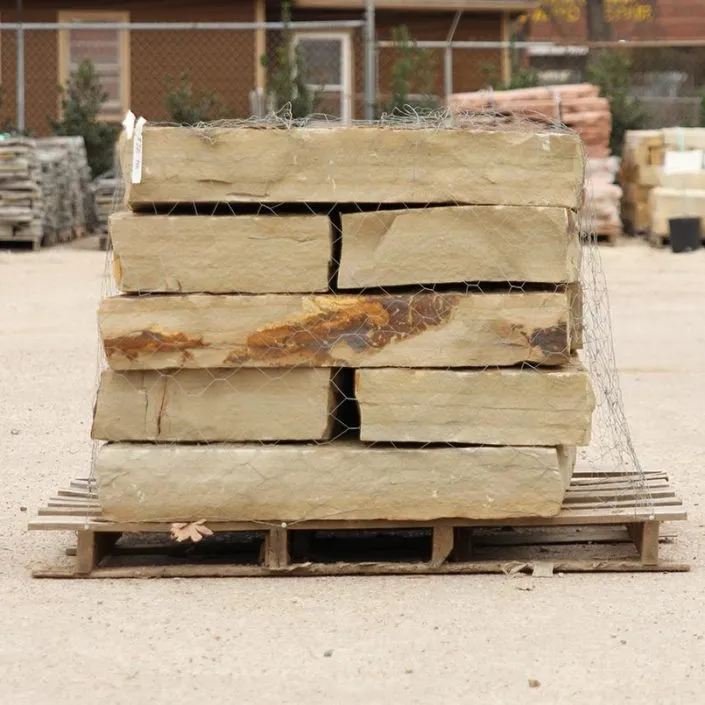
Oklahoma Brown Natural Stone Steppers
$380.00
Snapped steps
Absolutely. For SEO and customer clarity, I’d name this Oklahoma Brown Natural Stone Steppers – Approx. 2′ × 3′. Since these are natural stone, I’d make it very clear that 2′ × 3′ and 5″–6″ thick are averages rather than exact manufactured dimensions.
Oklahoma Brown Natural Stone Steppers – Approx. 2′ × 3′
About Oklahoma Brown Steppers
Oklahoma Brown Steppers are large, thick pieces of natural Oklahoma stone selected for use as landscape steps, garden steppers, slope transitions, and natural-stone stairways.
Each piece averages approximately:
2′ × 3′
with an average thickness of approximately:
5″–6″
Because these are natural stone rather than manufactured concrete steps, every piece is unique. Customers should expect variation in:
- Length
- Width
- Thickness
- Shape
- Edge profile
- Surface texture
- Color
Oklahoma Brown Steppers are especially useful for landscapes where customers want a substantial natural-stone step that blends into retaining walls, boulders, flagstone, plants, and other organic landscape materials.
| Product Details | Specifications |
|---|---|
| Product Name | Oklahoma Brown Natural Stone Steppers |
| Material | Natural Stone |
| Origin | Oklahoma |
| Average Size | Approx. 2′ × 3′ |
| Average Thickness | Approx. 5″–6″ |
| Nominal Face Area | Approx. 6 sq. ft. based on average dimensions |
| Shape | Natural / Irregular |
| Edge Style | Natural stone edges |
| Color | Brown, tan, rust, earth tones & natural variation |
| Primary Uses | Landscape steps, garden stairs, slopes, pathways & grade transitions |
| Installation | Individual stone step / landscape stair applications |
| Service Area | Dallas–Fort Worth & North Texas |
What Are Oklahoma Brown Steppers?
Oklahoma Brown Steppers are oversized pieces of natural stone selected specifically because their dimensions and thickness make them useful as individual landscape steps.
Unlike thin flagstone, which is commonly used to create patios and walkways, these pieces average 5″–6″ thick, giving them enough physical depth to create substantial changes in elevation.
They work well for:
- Landscape stairways
- Hillside steps
- Garden paths
- Natural retaining-wall transitions
- Raised planting areas
- Sloped yards
- Outdoor living areas
How Big Are Oklahoma Brown Steppers?
The average stone is approximately:
2 feet × 3 feet
with an average thickness of:
5–6 inches
That gives an average face area of approximately:
6 square feet per stone
before accounting for natural irregularities.
These measurements should be treated as averages rather than guaranteed dimensions.
Are All Oklahoma Brown Steppers Exactly 2′ × 3′?
No.
Natural stone does not come out of the quarry like a manufactured concrete paver.
Individual pieces may be:
- Slightly shorter
- Slightly longer
- Narrower
- Wider
- More rectangular
- More irregular
The 2′ × 3′ measurement is an average size used to describe the general scale of the material.
Customers who need very specific dimensions should select individual stones based on the actual pieces available.
Are All Steppers Exactly 5″–6″ Thick?
No.
The stones average approximately 5″–6″ thick, but natural variation should be expected.
Some pieces may vary somewhat across the stone itself as well.
Installers commonly compensate for minor thickness differences during base preparation and placement.
Why Are Oklahoma Brown Steppers So Thick?
Thickness is one of the characteristics that separates a true landscape step from ordinary flagstone.
At approximately 5″–6″ thick, the stone can create meaningful vertical rise between steps while providing a substantial mass for landscape stair construction.
The thickness also gives the stone a much more substantial appearance than thin walkway flagstone.
What Colors Are in Oklahoma Brown Stone?
Oklahoma Brown typically includes natural earth-tone variations such as:
- Medium brown
- Chocolate brown
- Tan
- Buff
- Rust
- Bronze
- Occasional gray or darker mineral tones
No two pieces should be expected to match perfectly.
That natural variation is part of the material’s appeal.
Do Oklahoma Brown Steppers Change Color When Wet?
Usually, yes.
Like many natural stones, moisture can temporarily deepen the appearance of the color.
Wet Oklahoma Brown may show richer:
- Browns
- Rusts
- Dark earth tones
- Mineral variation
The stone generally returns closer to its dry appearance as it dries.
What Does the Surface Look Like?
These are natural landscape stones rather than molded concrete products.
Customers should expect:
- Natural texture
- Mineral variation
- Irregular edges
- Natural surface movement
- Variation between pieces
The appearance works particularly well in landscapes intended to feel organic rather than perfectly manufactured.
What Are Oklahoma Brown Steppers Used For?
Common applications include:
- Landscape stairs
- Garden steps
- Hillside pathways
- Sloped backyards
- Transitions between patio elevations
- Access through raised landscape beds
- Natural outdoor living spaces
- Steps between retaining walls
They can also be incorporated into large landscape designs alongside boulders and natural stone walls.
Oklahoma Brown Steppers for Landscape Stairs
Landscape stairs are the primary application for this material.
The stones can be placed sequentially to create a natural stairway through changes in grade.
A well-built natural-stone stairway should provide:
- Stable footing
- Consistent rise
- Comfortable tread depth
- Proper drainage
- Solid support beneath every stone
Because stone dimensions vary, each step generally requires individual adjustment during installation.
Oklahoma Brown Steppers for Sloped Yards
Sloped North Texas yards can be difficult to navigate.
Installing natural stone steppers can help create a defined route through:
- Backyard slopes
- Garden beds
- Hillsides
- Drainage areas
- Raised landscape spaces
The stone provides a much more finished appearance than simply walking over exposed soil.
Oklahoma Brown Steppers for Garden Paths
These steppers can also create a substantial garden path.
Individual pieces may be arranged through:
- Planting beds
- Decorative gravel
- Mulch
- Natural landscapes
- Boulder gardens
Their large average 2′ × 3′ size creates a much more substantial walking surface than small stepping stones.
Oklahoma Brown Steppers With Retaining Walls
Natural stone steps can create attractive transitions through retaining-wall systems.
For example, a landscape may include:
- Retaining wall
- Integrated stone stairs
- Raised planting level
- Upper patio or lawn
The brown and earth-tone coloration works particularly well beside natural stone retaining walls.
Oklahoma Brown Steppers With Boulders
Oklahoma Brown Steppers can be paired with landscape boulders to create a very natural appearance.
Boulders may be used around the stairway for:
- Grade transitions
- Planting pockets
- Visual framing
- Natural-looking elevation changes
This can make the steps appear integrated into the landscape rather than added afterward.
Oklahoma Brown Steppers With Oklahoma Flagstone
Oklahoma Brown Steppers pair naturally with Oklahoma Brown Flagstone.
The two products can be used together for:
- Patio-to-yard transitions
- Flagstone walkways with elevation changes
- Natural stone terraces
- Garden pathways
- Outdoor living areas
Using related stone colors can help maintain a consistent design throughout the project.
Oklahoma Brown Steppers vs. Oklahoma Brown Flagstone
These products may come from the same general stone family, but they serve very different purposes.
| Oklahoma Brown Steppers | Oklahoma Brown Flagstone |
|---|---|
| Approx. 5″–6″ thick | Typically much thinner |
| Large individual step pieces | Patio and walkway stone |
| Designed for elevation changes | Designed primarily for paving |
| Approx. 2′ × 3′ average | Variable flagstone dimensions |
| Heavy structural landscape pieces | Easier to place individually |
| Excellent for stairs | Excellent for patios and paths |
A customer building steps should not assume regular flagstone is interchangeable with thick steppers.
Oklahoma Brown Steppers vs. Concrete Steps
| Oklahoma Brown Steppers | Manufactured Concrete Steps |
|---|---|
| Natural stone | Manufactured concrete |
| Every piece is different | Consistent dimensions |
| Natural earth-tone color | Controlled manufactured color |
| Irregular edges | Predictable edges |
| Organic landscape appearance | More uniform architectural appearance |
| Individual fitting required | Easier dimensional planning |
Oklahoma Brown is the stronger choice when the project calls for a natural, organic appearance.
Oklahoma Brown Steppers vs. Cut Stone Steps
Cut stone steps typically have more controlled:
- Width
- Depth
- Thickness
- Edge geometry
Oklahoma Brown Steppers retain more natural shape and variation.
Customers wanting extremely straight, formal steps may prefer fabricated stone.
Customers wanting an organic landscape stairway often prefer natural steppers.
How Much Does an Oklahoma Brown Stepper Weigh?
These stones are very heavy.
A roughly 2′ × 3′ stone that is 5″–6″ thick contains a substantial volume of natural rock.
Because actual dimensions, thickness, and stone density vary, OWS should not publish a guaranteed weight per piece without weighing the actual inventory.
Customers should assume that these stones require:
- Mechanical loading
- Appropriate trailers or trucks
- Multiple-person or machine-assisted placement
- Careful jobsite planning
They are not typical hand-carried stepping stones.
Can Oklahoma Brown Steppers Be Loaded With a Forklift?
For pickup from a landscape-material yard, large natural stone is generally handled with appropriate material-handling equipment.
The exact loading method depends on:
- Quantity
- Stone configuration
- Vehicle
- Trailer
- Yard equipment
Customers should arrive with equipment capable of safely carrying the material.
Can I Haul Oklahoma Brown Steppers in a Pickup Truck?
Possibly in limited quantities, but payload must be checked carefully.
Because individual steppers are large and heavy, customers should verify the vehicle’s actual:
- Payload rating
- Tire ratings
- Axle ratings
- Bed capacity
A truck’s towing capacity does not mean the same amount can safely be placed in the truck bed.
For multiple steppers, a properly rated trailer is often more practical.
Can Oklahoma Brown Steppers Be Delivered?
Delivery may be a practical option because of their size and weight.
Customers should contact Outdoor Warehouse Supply for current:
- Delivery availability
- Material quantities
- Jobsite access requirements
- Pricing
Delivery placement depends on the equipment and site conditions.
How Are Oklahoma Brown Steppers Installed?
A typical landscape-step installation involves:
- Determine the stair location.
- Establish total elevation change.
- Plan the number and spacing of steps.
- Excavate for each stone.
- Prepare a stable compacted base.
- Place the first step.
- Check level and stability.
- Prepare the next elevation.
- Install subsequent stones.
- Backfill and compact surrounding areas.
- Establish drainage away from the stair system.
Each natural stone may require individual adjustment.
Do Oklahoma Brown Steppers Need a Base?
Yes.
A heavy stone placed directly on loose or poorly compacted soil may:
- Settle
- Rock
- Tilt
- Shift
A properly prepared compacted foundation helps distribute the load and maintain stable elevations.
The exact base construction depends on:
- Soil
- Drainage
- Slope
- Stone size
- Project conditions
Can Flex Base Be Used Under Natural Stone Steppers?
A properly compacted crushed aggregate such as suitable Flex Base can be useful for creating a structural foundation beneath large stone steps.
The base should be:
- Properly compacted
- Graded
- Stable
- Installed to the correct elevation
The step should have broad, even support rather than resting on isolated high points.
Can Fines Base Be Used?
Fines Base may also be useful for fine elevation adjustment in appropriate installations because its smaller particles can create a tighter working surface.
A common approach may involve a more structural compacted base with finer material used for final leveling.
Exact installation depends on site conditions.
Should Sand Be Used Under Oklahoma Brown Steppers?
Sand may sometimes be used for minor leveling depending on the installation, but it should not replace a properly constructed structural base where significant support is needed.
A 5″–6″ thick natural stone is extremely heavy.
The foundation needs to support the stone long-term.
Why Is Full Support Important?
Natural stone should be supported as evenly as practical across its underside.
Large unsupported voids can create concentrated loads when someone steps on the stone.
Proper support helps reduce:
- Rocking
- Settlement
- Movement
- Stress concentrations
Should the Steps Be Perfectly Level?
Each tread should feel stable and comfortable to walk on.
However, outdoor steps must also consider drainage.
A perfectly trapped flat surface can hold water depending on the stone texture.
Installers typically account for drainage while maintaining a comfortable walking surface.
How Much Rise Should Each Step Have?
The exact stair geometry should be planned for the project rather than determined by stone thickness alone.
Although the stones average 5″–6″ thick, the visible rise can be adjusted through:
- Embedment
- Base elevation
- Overlap
- Site grading
For formal stairs, applicable building and safety requirements should be followed.
Can the Steppers Overlap?
Yes, depending on the design.
Natural stone landscape stairs are often installed so each upper stone relates closely to the one below, helping create a continuous walking path.
The exact amount of overlap depends on:
- Stone dimensions
- Slope
- Desired tread depth
- Installation design
Can Oklahoma Brown Steppers Be Used on a Steep Hill?
Yes, potentially.
They are particularly useful for converting slopes into more manageable pedestrian routes.
Steeper or taller stair systems may require more involved:
- Excavation
- Retaining
- Drainage
- Engineering
- Guard or handrail considerations
depending on project conditions.
Can the Stones Be Cut?
Yes.
Natural stone can be cut where necessary to:
- Fit walls
- Adjust widths
- Create cleaner ends
- Work around structures
However, many customers intentionally preserve the natural edges.
Cutting this thickness of stone requires substantial masonry or stone-cutting equipment.
Proper silica-dust controls and PPE should always be used.
Can Oklahoma Brown Steppers Be Sealed?
Potentially.
A compatible natural-stone sealer may be used when customers want:
- Added stain resistance
- Easier cleaning
- Some color enhancement
Different sealers can significantly change stone color or sheen.
Always test a small area first.
Are Oklahoma Brown Steppers Slippery?
Natural stone provides texture, but no exterior hardscape surface should be described as universally slip-proof.
Slip conditions depend on:
- Surface texture
- Water
- Mud
- Algae
- Ice
- Sealer
- Slope
Keeping the stone clean and properly drained helps maintain safer walking conditions.
Do Oklahoma Brown Steppers Get Hot?
Like most outdoor hardscape materials, natural stone heats in direct Texas sunlight.
Actual surface temperature depends on:
- Stone color
- Sun exposure
- Air temperature
- Time of day
The medium earth tones of Oklahoma Brown may become warm or hot during North Texas summers.
Do Natural Stone Steppers Require Maintenance?
Maintenance is generally relatively simple.
Routine care can include:
- Sweeping debris
- Removing leaves
- Cleaning dirt or organic buildup
- Maintaining drainage
- Correcting settlement if it develops
Natural stone itself does not require frequent treatment.
Can Weeds Grow Around the Steps?
Yes.
Vegetation can grow in surrounding soil, gravel, or joints.
Proper landscape preparation and maintenance can help reduce unwanted growth.
The stone itself does not prevent weeds from growing around it.
Can Oklahoma Brown Steppers Crack?
Natural stone is durable, but no natural stone is completely immune to cracking.
Potential causes include:
- Poor support
- Large underside voids
- Severe impact
- Natural fissures
- Extreme site conditions
Proper handling and installation help reduce unnecessary stress.
Should I Choose the Exact Stones for My Project?
For projects where appearance and stair dimensions are important, selecting the actual pieces can be very helpful.
Natural stones vary in:
- Shape
- Thickness
- Texture
- Color
A contractor may also sort pieces during installation to find the best stone for each location.
How Many Oklahoma Brown Steppers Do I Need?
Stepper quantity depends primarily on:
- Total elevation change
- Desired rise per step
- Path length
- Stone overlap
- Landscape design
For example, a project with approximately 30″ of elevation change might use several steps depending on the final installed rise.
The number of stones should be based on the actual stair layout rather than simply dividing the slope by the raw stone thickness.
Why Choose Oklahoma Brown Steppers?
Oklahoma Brown Steppers provide a combination of:
- Natural stone authenticity
- Substantial thickness
- Large walking surface
- Warm earth-tone color
- Organic shape
- Long-lasting landscape character
They work especially well where concrete steps would look too formal or manufactured.
Pros & Cons of Oklahoma Brown Steppers
| Pros | Cons |
|---|---|
| Genuine natural stone | Very heavy |
| Large approx. 2′ × 3′ average size | Dimensions vary |
| Substantial 5″–6″ average thickness | Thickness varies |
| Excellent for natural landscape stairs | Requires careful base preparation |
| Warm brown, tan and rust coloration | Mechanical handling may be required |
| Blends well with Oklahoma stone | Individual fitting takes more time |
| Excellent for slopes and grade changes | More difficult to cut than thin flagstone |
| Every piece is unique | Cannot expect manufactured dimensional consistency |
| Low routine maintenance | Poor installation can lead to settlement or rocking |
Oklahoma Brown Steppers in Dallas–Fort Worth
Oklahoma Brown Steppers are an excellent natural-stone solution for Dallas–Fort Worth landscapes that need substantial outdoor steps without the manufactured appearance of concrete stair units.
Each piece averages approximately:
2′ × 3′
and:
5″–6″ thick
creating a broad, substantial stone suitable for:
- Landscape stairs
- Sloped yards
- Garden pathways
- Retaining-wall transitions
- Natural outdoor living spaces
- Raised landscape areas
The natural brown, tan, rust, and earth-tone coloration coordinates especially well with Oklahoma Brown Flagstone, natural boulders, masonry, and North Texas landscape designs.
Outdoor Warehouse Supply offers Oklahoma Brown Steppers through our Plano and Lewisville locations.
Industry Contractor & Wholesale Pricing
Outdoor Warehouse Supply offers industry contractor and wholesale pricing for qualifying landscape contractors, stone masons, hardscape installers, builders, pool contractors, commercial landscapers, and other industry buyers.
Contractors can source Oklahoma Brown Steppers alongside:
- Oklahoma Brown Flagstone
- Flex Base
- Fines Base
- Concrete Sand
- Decorative gravel
- Boulders
- Chop stone
- Retaining-wall products
Contact our Plano or Lewisville sales staff for current quantities, available stone sizes, pricing, pickup, and delivery options.
Frequently Asked Questions
What are Oklahoma Brown Steppers?
They are large thick pieces of natural Oklahoma stone selected for landscape stair and step applications.
What size are Oklahoma Brown Steppers?
They average approximately 2′ × 3′.
How thick are Oklahoma Brown Steppers?
They average approximately 5″–6″ thick.
Are all the stones exactly 2′ × 3′?
No.
These are natural stones, so dimensions vary from piece to piece.
Are all of them exactly 5″–6″ thick?
No.
That is an average thickness rather than an exact manufactured dimension.
How many square feet is one stepper?
A stone averaging 2′ × 3′ has approximately 6 sq. ft. of nominal face area, though actual natural shapes vary.
Where does Oklahoma Brown stone come from?
The stone is sourced from Oklahoma.
What colors are Oklahoma Brown Steppers?
Common colors include brown, tan, buff, rust, bronze, and other natural earth tones.
Do the stones look identical?
No.
Every natural stone varies in shape, texture, thickness, and color.
What are Oklahoma Brown Steppers used for?
They are commonly used for landscape stairs, slopes, garden paths, grade transitions, and natural outdoor living areas.
Can they be used on hills?
Yes.
They are particularly useful for creating pedestrian steps through sloped landscapes.
Can Oklahoma Brown Steppers be used with retaining walls?
Yes.
They can create natural stair transitions through or beside retaining-wall systems.
Do they match Oklahoma Brown Flagstone?
They coordinate very well with Oklahoma Brown Flagstone because of their similar natural color palette.
How much does one Oklahoma Brown Stepper weigh?
Weight varies substantially based on actual dimensions and thickness. These are very heavy natural-stone pieces and should be planned for mechanical or assisted handling.
Can I carry one by hand?
These are not typical lightweight hand-carried stepping stones. Their size and thickness make proper material-handling planning important.
Can I pick them up in a truck?
Potentially, depending on quantity and the truck’s actual payload rating.
Is a trailer better for multiple steppers?
A properly rated trailer may be more practical for multiple large natural-stone pieces.
Does OWS deliver Oklahoma Brown Steppers?
Contact our Plano or Lewisville sales staff for current delivery options and jobsite requirements.
Do Oklahoma Brown Steppers need a compacted base?
Yes.
A stable foundation helps prevent rocking, settling, and shifting.
Can Flex Base be used underneath them?
A suitable compacted aggregate base can provide a strong foundation for large natural stone steppers.
Can Fines Base be used for leveling?
It may be useful for finer grade adjustment in an appropriate installation.
Can I just set the stones directly on dirt?
That is generally not ideal for a permanent installation because loose or uncompacted soil can settle.
Can sand be used underneath them?
Sand may help with minor leveling in some designs, but it should not substitute for an appropriate structural foundation.
Do the stones need full support underneath?
Broad, even support is important for minimizing rocking and concentrated stress.
Can Oklahoma Brown Steppers be cut?
Yes, but their thickness requires substantial masonry or stone-cutting equipment.
Can the stones be sealed?
Yes, potentially, using a compatible natural-stone sealer.
Does sealer change the color?
It can.
Some sealers deepen color or change sheen, so test a small area first.
Are Oklahoma Brown Steppers slippery?
Natural texture provides traction, but wet, muddy, icy, algae-covered, or sealed stone can become more slippery.
Do they get hot in the Texas sun?
Yes.
Like other hardscape materials, natural stone can become hot in direct summer sun.
Do the stones require much maintenance?
Generally no.
Routine cleaning, drainage maintenance, and correction of any settlement are the main considerations.
Can Oklahoma Brown Steppers crack?
Natural stone can crack under certain conditions, particularly if it is poorly supported or subjected to severe impact.
Should I select the stones individually?
For projects where specific shape, color, or dimensions matter, selecting the actual pieces can be very helpful.
How many steppers do I need for a staircase?
That depends on total elevation change, desired stair rise, overlap, and the actual stones selected.
Are Oklahoma Brown Steppers available in Dallas–Fort Worth?
Yes.
Outdoor Warehouse Supply offers Oklahoma Brown Steppers through our Plano and Lewisville locations.