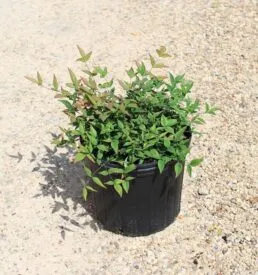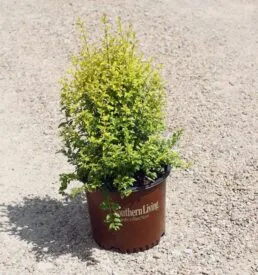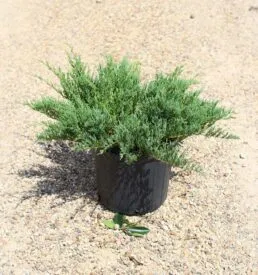


About Hosta Plants
Hostas are shade-loving perennial plants prized for their broad, attractive foliage and ability to add texture, color, and fullness to shaded landscape beds.
Outdoor Warehouse Supply carries Hostas in both:
- Green varieties
- Variegated varieties
Exact leaf shape, mature size, coloration, and cultivar characteristics may vary depending on current nursery inventory.
Hostas are especially useful in Dallas–Fort Worth landscapes for:
- Shaded foundation beds
- Under trees
- Woodland-style gardens
- Covered patios and courtyards
- Borders
- Mass plantings
- Areas receiving morning sun and afternoon shade
Their foliage can range from solid green to combinations of:
- Green
- Cream
- White
- Yellow
- Blue-green
depending on the variety.
| Plant Details | Specifications |
|---|---|
| Product Name | Hosta – Green & Variegated Varieties |
| Botanical Name | Hosta spp. & hybrids |
| Common Names | Hosta, Plantain Lily |
| Available Types | Green & Variegated |
| Plant Type | Herbaceous Perennial |
| Evergreen / Deciduous | Deciduous |
| Typical Mature Height | Approx. 12″–30″+ depending on variety |
| Typical Mature Width | Approx. 18″–48″+ depending on variety |
| Growth Habit | Clumping |
| Light | Shade to Partial Shade |
| Water Needs | Moderate; prefers consistent moisture |
| Flower Color | White, lavender or purple depending on variety |
| Bloom Period | Late spring through summer depending on variety |
| Primary Uses | Shade gardens, borders, mass planting & foundation beds |
| Service Area | Dallas–Fort Worth & North Texas |
What Is a Hosta?
Hostas are herbaceous perennial plants grown primarily for their foliage.
Rather than being used mainly for flowers, they are valued for their:
- Broad leaves
- Dense clumping habit
- Shade tolerance
- Foliage color
- Texture
Hostas die back to the ground during winter and return from the root system in spring.
Are Hostas Perennials?
Yes.
Hostas are perennials, meaning they return year after year when grown in suitable conditions.
They are not annual bedding plants.
Are Hostas Evergreen?
No.
Hostas are deciduous herbaceous perennials.
During fall and winter, their foliage naturally:
- Yellows
- Browns
- Dies back
The plant remains alive underground and typically produces new shoots in spring.
Customers should not interpret winter dormancy as the plant dying.
What Is the Difference Between Green and Variegated Hostas?
The main difference is foliage coloration.
Green Hostas
Green varieties typically have:
- Solid green foliage
- Medium to dark green leaves
- Clean, uniform color
- Strong contrast with lighter plants and mulch
Variegated Hostas
Variegated Hostas may have combinations of:
- Green and white
- Green and cream
- Green and yellow
- Blue-green and cream
Variegation may occur:
- Along the leaf edge
- Through the center
- In streaks
- In irregular patterns
The exact pattern depends on the variety.
Are Green and Variegated Hostas the Same Species?
Not necessarily.
“Green” and “Variegated” describe foliage appearance rather than one exact botanical variety.
Hostas sold in the nursery trade include numerous:
- Species
- Hybrids
- Cultivars
Because OWS inventory may include different selections over time, the safest public identification is:
Hosta spp. & hybrids
with Green and Variegated varieties available.
Why Should OWS Avoid Listing One Exact Cultivar?
Because a generic Hosta page can remain accurate even when nursery availability changes.
If the exact cultivar changes from one shipment to another, characteristics such as:
- Mature size
- Leaf color
- Flower color
- Leaf shape
may also change.
Customers looking for a specific named cultivar should contact OWS to confirm current inventory.
What Do Hosta Leaves Look Like?
Hosta leaves are typically broad and can vary significantly in shape.
Depending on the variety, foliage may be:
- Heart-shaped
- Oval
- Rounded
- Narrow
- Corrugated
- Smooth
- Thick
- Thin
Leaf texture and shape are among the major ornamental characteristics of Hostas.
What Colors Do Hostas Come In?
Hostas can display a wide range of foliage colors.
Common examples include:
- Medium green
- Dark green
- Blue-green
- Yellow-green
- Cream
- White
- Gold
Variegated Hostas may combine several colors on one leaf.
Do Hostas Flower?
Yes.
Hostas produce upright flower stalks that rise above the foliage.
Flowers may be:
- White
- Lavender
- Purple
depending on the variety.
The blooms are attractive, but the foliage remains the primary ornamental feature.
When Do Hostas Bloom?
Hostas generally flower from:
Late spring through summer
depending on:
- Variety
- Climate
- Growing conditions
Different cultivars can bloom at different times.
Do Hosta Flowers Attract Pollinators?
Yes.
Hosta flowers may attract:
- Bees
- Hummingbirds
- Other pollinators
depending on the flower shape and local activity.
Are Hostas Good for Dallas–Fort Worth?
Yes, but site selection is very important.
Hostas can perform well in North Texas when planted in:
- Shade
- Morning sun
- Filtered light
- Protected garden areas
They generally do not perform as well in intense afternoon or western sun during a DFW summer.
Do Hostas Like Shade?
Yes.
Shade tolerance is one of the defining characteristics of Hostas.
They perform especially well in:
- Bright shade
- Partial shade
- Filtered sunlight
- Morning sun with afternoon shade
Can Hostas Grow in Full Shade?
Yes.
Hostas can grow in substantial shade.
However, extremely dark conditions can reduce:
- Growth
- Leaf density
- Flowering
Bright filtered shade is often ideal.
Can Hostas Grow in Full Sun?
Some varieties tolerate more sun than others, but full North Texas afternoon sun is generally not ideal.
Too much intense sun can cause:
- Leaf scorch
- Browning
- Faded color
- Increased water stress
Morning sun with afternoon protection is generally a much safer DFW placement.
How Much Morning Sun Can Hostas Take?
Many Hostas can handle several hours of morning sun.
Morning sunlight is less intense than late-afternoon exposure and can encourage:
- Stronger growth
- Better flowering
- More substantial foliage
Actual tolerance depends on variety and irrigation.
Which Is Better for Hostas: Morning or Afternoon Sun?
Morning sun is usually better.
North Texas afternoon sun can be extremely intense and may scorch Hosta foliage.
A location receiving:
morning sun + afternoon shade
is often an excellent choice.
Can Hostas Grow Under Trees?
Yes.
Hostas are frequently planted under tree canopies.
They work well beneath:
- Shade trees
- Mature ornamental trees
- Woodland-style landscapes
Tree roots can compete for water, so newly planted Hostas require careful irrigation.
Can Hostas Grow Under Live Oaks?
Yes, potentially.
The shade is often excellent, but mature live oak roots create considerable competition for:
- Water
- Nutrients
The planting area should have enough usable soil and irrigation to support both the tree and the Hostas.
Are Hostas Good for Foundation Beds?
Yes.
They work well on:
- North-facing foundations
- East-facing foundations
- Shaded sides of homes
They are particularly attractive beneath taller shrubs and small ornamental trees.
Are Hostas Good for Borders?
Yes.
Hostas are frequently used as borders along:
- Shaded walkways
- Garden edges
- Patios
- Courtyards
- Foundation beds
Their rounded clumping form creates a soft transition between hardscape and larger plants.
Are Hostas Good for Mass Plantings?
Yes.
Mass plantings can create a dramatic foliage display.
Using several Hostas together provides:
- Broad leaves
- Repeating texture
- Dense coverage
- Strong contrast with finer-leaved plants
Mixing green and variegated forms can create additional visual interest.
How Tall Do Hostas Grow?
Mature height varies significantly by cultivar.
A practical general range is approximately:
12″–30″+ tall
Some compact Hostas remain smaller, while large varieties can become substantially larger.
Because OWS carries assorted varieties, customers should verify the specific mature size of current inventory when exact dimensions matter.
How Wide Do Hostas Grow?
Many Hostas mature around:
18″–48″+ wide
depending on variety.
Large cultivars can become much broader over time.
How Fast Do Hostas Grow?
Hostas generally have a moderate growth rate.
They become larger and fuller as the crown matures.
Growth depends on:
- Variety
- Shade
- Moisture
- Soil fertility
- Age
Established Hostas often look significantly fuller after several growing seasons.
How Far Apart Should Hostas Be Planted?
Spacing depends heavily on mature variety size.
A general landscape range might be:
18″–36″ apart
with larger varieties spaced farther apart.
Customers should avoid planting them too closely solely based on nursery-container size.
What Happens if Hostas Are Planted Too Close Together?
Over time, crowded Hostas may:
- Overlap heavily
- Compete for water
- Reduce airflow
- Hide individual foliage forms
Some overlap is attractive in mass plantings, but mature size should still guide spacing.
What Soil Do Hostas Prefer?
Hostas generally perform best in soil that is:
- Moist
- Well drained
- Rich in organic matter
- Loose enough for root growth
They do not prefer extremely dry, compacted soil.
Can Hostas Grow in North Texas Clay?
Yes, but heavy clay is easier to manage when planting beds are improved.
North Texas clay can become:
- Hard when dry
- Waterlogged after heavy rain
- Compacted
Adding organic matter to the overall bed can help improve growing conditions.
Do Hostas Like Wet Soil?
Hostas prefer consistent moisture, but they do not typically perform well in continuously waterlogged conditions.
Soil should drain while remaining reasonably moist.
How Often Should Hostas Be Watered?
Water requirements depend on:
- Temperature
- Sun exposure
- Soil
- Plant size
- Rainfall
Newly planted Hostas need consistent moisture during establishment.
During North Texas summer heat, plants in brighter locations may require more frequent irrigation than those in deep shade.
Are Hostas Drought Tolerant?
Not especially compared with plants such as:
- Liriope
- Yucca
- Texas Sage
Hostas prefer more consistent moisture.
They can tolerate brief dry periods once established, but prolonged drought can cause:
- Wilting
- Brown edges
- Scorch
- Early dormancy
Should Hostas Be Mulched?
Yes.
Mulch is especially useful around Hostas because it helps:
- Maintain moisture
- Moderate soil temperature
- Reduce weeds
- Protect roots from extreme heat
Avoid burying the crown beneath thick mulch.
What Mulch Works Well With Hostas?
Common options include:
- Hardwood mulch
- Cedar mulch
- Natural shredded mulch
Dark mulch can also create strong visual contrast with green and variegated foliage.
Do Hostas Need Fertilizer?
Moderate feeding may support healthy foliage.
A balanced landscape fertilizer or properly amended soil may be sufficient.
Avoid excessive fertilizer that promotes weak or overly soft growth.
When Should Hostas Be Fertilized?
Spring is generally a good time to fertilize as new growth begins.
Additional feeding depends on:
- Soil fertility
- Plant performance
- Fertilizer type
Do Hostas Need Pruning?
Very little.
Maintenance generally involves:
- Removing damaged leaves
- Removing spent flower stalks if desired
- Cutting dead foliage back after dormancy
Should Hosta Flower Stalks Be Removed?
They can be removed after flowering for a cleaner appearance.
This is mainly aesthetic and is not always necessary.
Should Hostas Be Cut Back in Winter?
Once the foliage has naturally died back, dead leaves can be removed.
Some gardeners leave the foliage temporarily before cleanup, while others remove it after frost.
Avoid cutting healthy foliage prematurely during the growing season.
When Do Hostas Go Dormant in North Texas?
They generally begin dormancy after colder fall and winter weather causes foliage to yellow and die back.
Exact timing varies with weather.
When Do Hostas Come Back in Spring?
New shoots emerge once:
- Soil temperatures rise
- Spring weather arrives
The exact timing depends on winter conditions and variety.
What Do Hostas Look Like in Winter?
During winter dormancy, there may be very little visible above ground.
This is normal.
The crown and root system remain alive beneath the soil.
Can Hostas Survive a Texas Freeze?
Yes.
Hostas require and tolerate winter dormancy.
Cold weather is a normal part of their seasonal cycle.
The foliage dying back after frost does not usually indicate permanent damage.
Are Hostas Heat Tolerant?
They can tolerate North Texas summers when planted correctly.
Their best protection from heat is:
- Afternoon shade
- Adequate moisture
- Mulch
- Healthy soil
Poor placement in hot western sun can cause significant stress.
Do Variegated Hostas Need More Shade?
Not always, but pale or white portions of variegated leaves can be more susceptible to scorching under strong sun.
Variegated Hostas generally look their best when protected from intense afternoon sunlight.
Do Green Hostas Handle Sun Better Than Variegated Hostas?
Some solid-green Hostas may tolerate more light than certain heavily variegated cultivars, but this is not a universal rule.
Sun tolerance varies by specific cultivar.
Can Hosta Leaves Burn?
Yes.
Leaf scorch may appear as:
- Brown edges
- Bleached areas
- Dry patches
Common causes include:
- Too much sun
- Drought
- Hot reflected heat
Are Hostas Good Near Covered Patios?
Yes.
Covered patios often provide the bright indirect light or partial shade that Hostas prefer.
They can soften areas around:
- Seating spaces
- Walkways
- Outdoor living areas
Can Hostas Be Grown in Containers?
Yes.
Hostas can perform very well in containers when provided:
- Adequate pot size
- Good drainage
- Shade
- Consistent water
Container plants may need additional winter or summer root protection depending on exposure.
Can Hostas Be Used Around Pools?
Yes, particularly in shaded planting beds around pool areas.
They provide broad foliage that can soften:
- Stone
- Concrete
- Pavers
They should not be placed where excessive chlorinated or saltwater splash becomes a constant problem.
Do Hostas Pair Well With Ferns?
Yes.
Hostas and ferns are one of the classic shade-garden combinations.
The broad Hosta foliage contrasts well with the finer texture of:
- Holly Fern
- Autumn Fern
- Wood Fern
Do Hostas Pair Well With Liriope?
Yes.
Liriope provides narrower, grass-like foliage while Hosta provides broad leaves.
The contrasting textures can create a more layered planting design.
Do Hostas Pair Well With Asian Jasmine?
Yes.
Asian Jasmine can form a lower evergreen ground layer around or near larger Hosta clumps.
However, Asian Jasmine should be kept from growing directly over the Hosta crowns.
Green Hosta vs. Variegated Hosta
| Green Hosta | Variegated Hosta |
|---|---|
| Solid green foliage | Multi-colored foliage |
| Clean, uniform appearance | Strong visual contrast |
| Excellent mass planting | Excellent accent plant |
| Often looks more naturalistic | Often more decorative |
| May hide minor leaf damage better | Pale portions may show scorch more easily |
| Works well with colorful plants | Adds color even without flowers |
Hosta vs. Super Blue Liriope
| Hosta | Super Blue Liriope |
|---|---|
| Broad foliage | Narrow grass-like foliage |
| Deciduous | Evergreen to semi-evergreen |
| Prefers shade / partial shade | Full sun to partial shade |
| Moderate moisture needs | More drought tolerant once established |
| Larger dramatic leaves | Dense fountain-shaped clumps |
| Winter dormancy | Usually retains foliage |
Hosta vs. Asian Jasmine
| Hosta | Asian Jasmine |
|---|---|
| Clumping perennial | Trailing evergreen groundcover |
| Broad dramatic foliage | Small glossy leaves |
| Deciduous | Generally evergreen |
| Approx. 12″–30″+ | Approx. 6″–12″ |
| Requires more consistent moisture | More drought tolerant once established |
| Excellent accent or mass planting | Excellent carpet-like coverage |
Hosta vs. Ferns
Both perform well in shade, but their textures differ considerably.
Hostas provide:
- Large broad leaves
- Bold form
- Strong color variation
Ferns provide:
- Fine fronds
- Airy texture
- Softer movement
Using them together creates visual contrast.
Are Hostas Deer Resistant?
No.
Hostas are commonly browsed by deer.
In areas with heavy deer pressure, plants may require:
- Repellents
- Fencing
- Other protection
This is one of their biggest landscape disadvantages.
Do Rabbits Eat Hostas?
Yes.
Rabbits may browse young Hosta leaves, especially fresh spring growth.
Do Slugs Eat Hostas?
Yes.
Slugs and snails are well-known Hosta pests.
They can create:
- Holes in foliage
- Ragged edges
- Cosmetic damage
Maintaining airflow and avoiding constantly wet leaf litter can help reduce favorable conditions for slugs.
What Other Pests Affect Hostas?
Potential problems can include:
- Slugs
- Snails
- Deer
- Rabbits
Most healthy Hostas are otherwise relatively straightforward landscape plants.
Are Hostas Toxic to Dogs?
Yes.
Hostas contain compounds that can be harmful if dogs ingest the plant.
Pet owners should discourage chewing or eating Hosta foliage.
Are Hostas Toxic to Cats?
Yes.
Hostas should also be kept from cats that may chew ornamental plants.
Are Hostas Edible?
Despite some historical uses of young shoots in certain cuisines, OWS should not market ornamental nursery Hostas as edible plants.
They should be sold and treated as landscape ornamentals.
Can Hostas Be Divided?
Yes.
Mature Hostas can be divided to:
- Create additional plants
- Reduce overcrowding
- Rejuvenate older clumps
When Should Hostas Be Divided?
Spring or early fall are common times.
Avoid dividing plants during the most stressful part of extreme summer heat when possible.
How Long Do Hostas Live?
Hostas are long-lived perennials.
Well-sited plants can remain in landscapes for many years and become larger with age.
How Large Can an Established Hosta Clump Become?
That depends strongly on cultivar.
Some remain compact, while large cultivars may eventually create very broad clumps.
Customers should plan based on the mature characteristics of the actual variety in stock.
What Is the Best Time to Plant Hostas in Dallas–Fort Worth?
Fall and early spring are generally excellent.
These seasons give roots time to establish before extreme summer heat.
Can Hostas Be Planted in Spring?
Yes.
Spring is an excellent planting season.
Maintain consistent water as temperatures rise.
Can Hostas Be Planted in Fall?
Yes.
Fall can be especially good in DFW because:
- Soil remains warm
- Temperatures cool
- Water stress decreases
Can Hostas Be Planted in Summer?
Yes, but extra care is required.
Newly planted Hostas should receive:
- Reliable irrigation
- Mulch
- Afternoon shade
during intense North Texas heat.
Do Hostas Come Back Every Year?
Yes.
That is one of the biggest differences between Hostas and shade annuals.
The foliage disappears during winter but returns from the established root system each spring.
Why Choose Hostas?
Hostas are ideal when customers want:
- Bold foliage
- Shade tolerance
- Green or variegated color
- A long-lived perennial
- Strong texture
- Seasonal flowers
- A traditional shade-garden appearance
They fill an important role in landscapes where sun-loving shrubs and perennials may struggle.
Pros & Cons of Hostas
| Pros | Cons |
|---|---|
| Excellent shade plant | Poor choice for intense DFW afternoon sun |
| Available in green & variegated foliage | Deciduous in winter |
| Bold leaf texture | Deer frequently browse Hostas |
| Long-lived perennial | Rabbits may eat young foliage |
| Good beneath trees | Slugs and snails can damage leaves |
| Excellent for mass planting | Needs more consistent moisture than drought-tolerant plants |
| Attractive seasonal flowers | Variegated foliage can scorch |
| Works well with ferns and Liriope | Tree-root competition can make establishment harder |
| Returns every spring | Not a low-water xeriscape plant |
| Numerous foliage forms | Exact mature size varies by cultivar |
Hosta Plants in Dallas–Fort Worth
Hostas are an excellent choice for Dallas–Fort Worth landscapes that need bold foliage and dependable perennial color in shaded areas.
Outdoor Warehouse Supply carries both:
Green Hostas & Variegated Hostas
with exact varieties depending on current nursery inventory.
They work particularly well in:
- Shaded foundation beds
- Under tree canopies
- Courtyards
- Covered outdoor areas
- Walkway borders
- Shade gardens
- Mass plantings
For North Texas landscapes, the most important consideration is protecting Hostas from intense afternoon and western sun while maintaining adequate soil moisture.
Because OWS carries assorted Green and Variegated varieties, customers looking for a specific leaf pattern, mature size, or cultivar should contact our Plano or Lewisville nursery staff for current availability.
Industry Contractor & Wholesale Pricing
Outdoor Warehouse Supply offers industry contractor and wholesale pricing for qualifying landscape contractors, commercial landscapers, builders, property managers, pool contractors, and other industry buyers.
Contractors can source Hostas alongside Holly Fern, Autumn Fern, Wood Fern, Asian Jasmine, Super Blue Liriope, Variegated Liriope, mulch, soils, edging, and decorative stone.
Contact our Plano or Lewisville nursery staff for current Green and Variegated Hosta varieties, quantities, pricing, pickup, and delivery availability.
Frequently Asked Questions
What is a Hosta?
Hosta is a shade-loving perennial grown mainly for broad ornamental foliage.
What is the botanical name for Hosta?
Because OWS carries assorted varieties, the most accurate general identification is Hosta spp. & hybrids.
Does OWS carry green Hostas?
Yes.
OWS carries Green Hosta varieties depending on current nursery inventory.
Does OWS carry variegated Hostas?
Yes.
OWS carries Variegated Hosta varieties depending on current availability.
What does variegated Hosta mean?
It means the foliage contains multiple colors, such as green combined with white, cream, or yellow.
Are Hostas perennial?
Yes.
They return each year.
Are Hostas evergreen?
No.
Hostas are deciduous herbaceous perennials that naturally go dormant during winter.
Do Hostas die in winter?
The foliage dies back, but the root system normally remains alive underground and produces new spring growth.
How tall do Hostas grow?
Depending on variety, many mature approximately 12″–30″+ tall.
How wide do Hostas grow?
Many reach approximately 18″–48″+ wide, depending on cultivar.
How far apart should Hostas be planted?
Approximately 18″–36″ apart is a useful general range, adjusted for the mature size of the specific variety.
Do Hostas like shade?
Yes.
Shade and partial shade are their preferred conditions.
Can Hostas grow in full shade?
Yes.
Bright or filtered shade is generally especially good.
Can Hostas grow in full sun?
Some varieties tolerate more sun, but intense North Texas afternoon sun can cause scorching.
Is morning sun okay for Hostas?
Yes.
Morning sun with afternoon shade is generally an excellent placement.
Can Hostas grow under trees?
Yes.
Can Hostas grow under live oaks?
Yes, provided water competition and root conditions are properly managed.
Are Hostas good for foundation beds?
Yes, especially on shaded sides of buildings.
Are Hostas good for borders?
Yes.
Can Hostas be mass planted?
Yes.
Mass plantings create strong foliage texture.
Do Hostas flower?
Yes.
Flowers are commonly white, lavender, or purple depending on variety.
When do Hostas flower?
Typically from late spring through summer, depending on variety.
Do Hostas attract pollinators?
The flowers may attract bees and hummingbirds.
Can Hostas grow in North Texas clay?
Yes, although improved soil and drainage can help them establish.
Do Hostas like wet soil?
They prefer consistent moisture but generally should not remain waterlogged.
Are Hostas drought tolerant?
Not especially.
They prefer more consistent moisture than many drought-tolerant North Texas landscape plants.
Should Hostas be mulched?
Yes.
Mulch helps maintain cooler, more evenly moist soil.
Do Hostas need fertilizer?
Moderate fertilizer may help when soil nutrients are limited.
Should Hostas be cut back?
Dead foliage can be removed after the plant naturally goes dormant.
When do Hostas go dormant?
Typically after cold fall or winter weather causes the foliage to die back.
When do Hostas return?
New shoots generally emerge during spring as soil temperatures rise.
Can Hostas survive Texas freezes?
Yes.
Winter dormancy is normal for Hostas.
Are Hostas heat tolerant?
They can tolerate North Texas heat when provided shade, mulch, and consistent moisture.
Do variegated Hostas burn in the sun?
They can.
Pale leaf areas may be especially prone to scorching under intense sunlight.
Can Hostas be grown in containers?
Yes.
Can Hostas be planted near pools?
Yes, especially in shaded surrounding landscape beds.
Do Hostas grow well with ferns?
Yes.
They pair particularly well with shade-loving ferns.
Do Hostas grow well with Liriope?
Yes.
The contrasting foliage textures work well together.
Can Hostas grow with Asian Jasmine?
Yes, provided the Jasmine does not overgrow the Hosta crown.
Do deer eat Hostas?
Yes.
Deer commonly browse Hostas.
Do rabbits eat Hostas?
Yes, particularly tender young growth.
Do slugs eat Hostas?
Yes.
Slugs and snails are common cosmetic pests.
Are Hostas toxic to dogs?
Yes.
Dogs should not be allowed to ingest Hosta plant material.
Are Hostas toxic to cats?
Yes.
Cats should also be prevented from eating the plant.
Can Hostas be divided?
Yes.
When should Hostas be divided?
Spring and early fall are common division periods.
How long do Hostas live?
They are long-lived perennials and can remain in landscapes for many years.
What is the best time to plant Hostas in Dallas–Fort Worth?
Fall and early spring are generally ideal.
Can Hostas be planted in summer?
Yes, but they need reliable irrigation and protection from intense afternoon sun.
Do Hostas come back every year?
Yes.
Are Hostas available in Dallas–Fort Worth?
Yes.
Outdoor Warehouse Supply carries Green and Variegated Hostas through our Plano and Lewisville nursery locations, subject to current inventory.