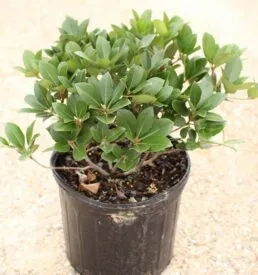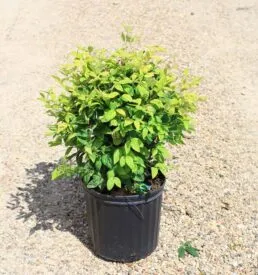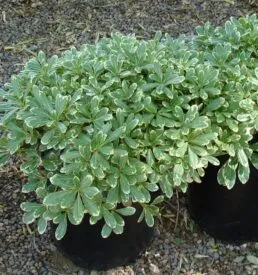

About Gaura
Gaura is a graceful flowering perennial known for its airy flower stems, delicate butterfly-like blooms, long flowering season, and soft movement in the landscape.
Its loose, natural growth habit makes it especially useful in pollinator gardens, cottage-style beds, perennial borders, mass plantings, and drought-conscious landscapes where customers want color without a heavy or formal appearance.
Flowers are commonly pink or white, although exact color, height, and habit depend on the cultivar being stocked.
Outdoor Warehouse Supply carries Gaura in 1-gallon containers year-round, with exact cultivars and flower colors depending on current inventory.
| Plant Details | Specifications |
|---|---|
| Common Name | Gaura |
| Botanical Name | Oenothera lindheimeri |
| Former Botanical Name | Gaura lindheimeri |
| Plant Type | Herbaceous flowering perennial |
| Stocked Size | 1 Gallon |
| Availability | Stocked year-round; cultivar may vary |
| USDA Hardiness Zones | Generally Zones 5–9 |
| Typical Mature Height | Approximately 18 inches to 4 feet depending on cultivar |
| Typical Mature Spread | Approximately 18–36 inches |
| Spacing | Typically 18–30 inches apart |
| Growth Habit | Upright, airy, clumping |
| Sun Exposure | Full sun |
| Water Requirements | Moderate during establishment; low to moderate once established |
| Soil Preference | Well-drained soil |
| Flower Colors | Commonly white, pink, or combinations depending on cultivar |
| Bloom Season | Primarily late spring through fall |
| Pollinator Value | Attractive to bees, butterflies, and other pollinators |
| Common Uses | Pollinator gardens, borders, cottage gardens, mass plantings, and mixed perennial beds |
Exact mature size, flower color, and growth habit vary depending on cultivar.
Common Names Associated with Gaura
Customers may encounter this plant under several names, including:
- Gaura
- Whirling Butterflies
- Butterfly Gaura
- Lindheimer’s Beeblossom
- Beeblossom
Its current botanical name is Oenothera lindheimeri, although Gaura lindheimeri is still widely used in the nursery trade.
For the product title, Gaura is still the clearest and most recognizable customer-facing name.
Growth Habit & Mature Size
Gaura typically develops into an upright clump with long, slender flowering stems that move easily in the breeze.
Depending on cultivar, plants may mature around 18 inches to 4 feet tall and approximately 18–36 inches wide.
Compact cultivars stay lower and denser, while taller selections create a looser, more natural appearance.
Its airy growth makes it useful for softening more structured shrubs, stone, or hardscape elements.
Plant Spacing & Common Planting Patterns
Spacing approximately 18–30 inches apart is a useful starting point for many Gaura plantings.
Closer spacing creates a fuller massed effect, while wider spacing allows each plant to retain its natural, airy form.
Common uses include:
- Pollinator gardens
- Cottage-style beds
- Perennial borders
- Mass plantings
- Sunny foundation beds
- Mixed ornamental plantings
- Low-water landscapes
- Commercial color beds
Sun, Soil & Water Requirements
Gaura performs best in full sun.
Strong sunlight helps support compact growth and consistent flowering.
It prefers well-drained soil and generally handles dry conditions better than constantly wet soil.
New plants require regular watering while establishing.
Once established, Gaura develops relatively good drought tolerance and can perform with less supplemental irrigation than many traditional flowering perennials.
Is Gaura Evergreen or Deciduous?
Gaura is generally grown as a herbaceous perennial.
Its top growth may decline or die back during winter, particularly after freezes.
Fresh growth typically returns from the crown in spring.
In mild winters, some foliage may remain, but customers should not rely on Gaura for year-round evergreen structure.
Growth Rate & Lifespan
Gaura generally has a moderate to fast seasonal growth rate.
Plants can establish and flower relatively quickly under warm, sunny conditions.
Individual plants may persist for several years, although longevity can vary with cultivar, drainage, pruning, and winter conditions.
Good drainage is especially important for long-term performance.
Flowers & Seasonal Interest
Gaura is best known for its delicate flowers held along slender stems.
The blooms often appear to hover above the foliage, creating the “whirling butterfly” effect associated with the plant.
Flowers are commonly:
- White
- Soft pink
- Rose-pink
- White with pink tones
Flowering typically begins in late spring and can continue through summer and into fall.
Gaura for Pollinator Gardens
Gaura is a strong choice for pollinator-focused landscapes.
Its flowers can attract:
- Bees
- Butterflies
- Other beneficial pollinating insects
The open, airy habit also blends well with other pollinator-friendly plants such as:
- Salvia
- Echinacea
- Gaillardia
- Skullcap
- Mexican Bush Sage
- Ornamental grasses
Pruning & Seasonal Care
Gaura benefits from periodic trimming.
Removing spent flowering stems or lightly cutting the plant back during the growing season can help encourage fresh growth and maintain a tidier form.
After winter dieback, old stems can be removed before new spring growth begins.
Because some cultivars are naturally more compact than others, pruning needs will vary.
Pros & Cons of Gaura
| Pros | Cons |
|---|---|
| Long flowering season | Can become loose or floppy on taller cultivars |
| Graceful, airy flower habit | Not reliably evergreen |
| Strong heat tolerance | Poor drainage can reduce plant longevity |
| Good drought tolerance once established | Exact size varies significantly by cultivar |
| Attractive to pollinators | Can look less tidy late in the season |
| Works well in cottage and naturalistic landscapes | Benefits from periodic trimming |
| Pairs well with ornamental grasses and perennials | Excessive shade reduces flowering |
| Stocked year-round in 1-gallon containers | Flower color varies by cultivar |
Gaura in Dallas–Fort Worth Landscapes
Gaura works well in Dallas–Fort Worth landscapes because it combines heat tolerance, long-season flowering, pollinator value, and relatively low water requirements once established.
Its airy form is especially useful in landscapes that need movement and softness rather than dense shrub-like structure.
The main North Texas considerations are full sun, good drainage, and avoiding areas that stay wet for long periods.
Outdoor Warehouse Supply stocks 1-gallon Gaura year-round, with exact cultivars and flower colors varying depending on inventory.
Customers can contact our Plano or Lewisville sales staff for current selections and quantities.
Industry Contractor & Wholesale Pricing
Outdoor Warehouse Supply offers industry contractor and wholesale pricing for qualifying landscape professionals, builders, property managers, and commercial customers.
Contractors can source Gaura alongside Salvia, Echinacea, Gaillardia, Skullcap, ornamental grasses, shrubs, soils, mulch, decorative stone, and other landscape materials for projects throughout Dallas–Fort Worth and North Texas.
Contact our Plano or Lewisville locations for current inventory and contractor pricing.
Frequently Asked Questions
What size Gaura does Outdoor Warehouse Supply carry?
Outdoor Warehouse Supply stocks Gaura in 1-gallon containers.
Does Outdoor Warehouse Supply stock Gaura year-round?
Yes. Outdoor Warehouse Supply stocks 1-gallon Gaura year-round.
Exact cultivars and flower colors may vary depending on inventory.
Is Gaura the same as Oenothera lindheimeri?
Yes.
The plant commonly called Gaura is now botanically classified as Oenothera lindheimeri.
The older name Gaura lindheimeri is still widely used in horticulture.
How big does Gaura get?
Depending on cultivar, Gaura may reach approximately 18 inches to 4 feet tall and around 18–36 inches wide.
How far apart should Gaura be planted?
Approximately 18–30 inches apart is a useful starting range.
Does Gaura need full sun?
Yes. Gaura performs best in full sun.
Too much shade can reduce flowering and result in weaker growth.
Is Gaura drought tolerant?
Yes. Once established, Gaura has relatively good drought tolerance.
New plants still need regular watering while establishing.
What color does Gaura bloom?
Gaura commonly produces white, pink, or rose-toned flowers, depending on cultivar.
How long does Gaura bloom?
Gaura typically blooms from late spring through summer and into fall under favorable conditions.
Does Gaura attract butterflies?
Yes. Its flowers can attract butterflies, bees, and other pollinators.
Is Gaura a perennial?
Yes. Gaura is generally grown as a herbaceous perennial.
It may die back in winter and return from the crown in spring.
Should Gaura be cut back?
It can benefit from light trimming during the growing season and removal of old stems after winter dormancy.