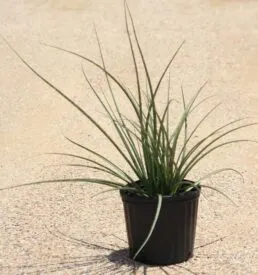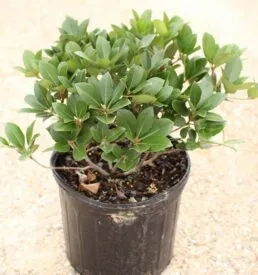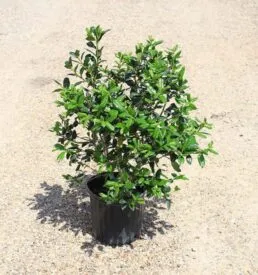

About Autumn Fern
Autumn Fern (Dryopteris erythrosora) is an evergreen to semi-evergreen fern valued for its arching fronds, soft texture, and distinctive coppery-red new growth that gradually matures to glossy green.
Unlike many plants with “Autumn” in the name, Autumn Fern is not primarily known for fall color. The name refers to the warm bronze, copper, and reddish tones that appear on newly emerging fronds.
Its refined foliage makes it especially useful in shade gardens, woodland-style landscapes, courtyards, foundation beds, and mixed plantings where customers want year-round or near-year-round texture without relying on flowers.
Outdoor Warehouse Supply carries Autumn Fern in both 1-gallon and 3-gallon containers year-round.
| Plant Details | Specifications |
|---|---|
| Common Name | Autumn Fern |
| Botanical Name | Dryopteris erythrosora |
| Plant Type | Evergreen to semi-evergreen fern |
| Stocked Sizes | 1 Gallon and 3 Gallon |
| Availability | Stocked year-round |
| USDA Hardiness Zones | Generally Zones 5–9 |
| Typical Mature Height | Approximately 18–24 inches |
| Typical Mature Spread | Approximately 18–24 inches |
| Spacing | Typically 18–24 inches apart |
| Growth Habit | Clumping, arching, upright |
| Sun Exposure | Partial shade to full shade |
| Water Requirements | Moderate; consistent moisture preferred |
| Soil Preference | Moist, rich, well-drained soil |
| Foliage | Copper-red new growth maturing to glossy green |
| Flowers | None; ferns reproduce by spores |
| Common Uses | Shade gardens, woodland beds, foundation plantings, courtyards, borders, and containers |
Growth, foliage color, and evergreen performance can vary with climate, moisture, sunlight, and winter conditions.
Common Names Associated with Autumn Fern
This plant is commonly known as:
- Autumn Fern
- Japanese Shield Fern
- Copper Shield Fern
Its botanical name is Dryopteris erythrosora.
For the customer-facing product title, Autumn Fern is the strongest and most recognizable name.
Growth Habit & Mature Size
Autumn Fern forms a compact clump of arching fronds, usually reaching approximately 18–24 inches tall and wide.
Its habit is full and layered rather than upright and rigid, giving it a softer appearance in the landscape.
Because it stays relatively compact, it works especially well in:
- Front and middle sections of shade beds
- Foundation plantings
- Courtyard gardens
- Woodland-style landscapes
- Mixed fern groupings
- Containers
Plant Spacing & Common Planting Patterns
Spacing Autumn Fern approximately 18–24 inches apart gives each plant enough room to develop into a full clump.
Closer spacing can create a denser massed effect, while wider spacing allows the form of each plant to remain more visible.
Common planting patterns include:
- Mass fern plantings
- Shaded borders
- Woodland gardens
- Foundation beds
- Courtyards
- Understory plantings
- Containers
- Mixed shade gardens
Sun, Soil & Water Requirements
Autumn Fern performs best in partial shade to full shade.
Filtered light or morning sun can be tolerated, but intense afternoon sun can scorch foliage, especially during North Texas summers.
The plant prefers moist, rich, well-drained soil.
Consistent moisture is beneficial, particularly during establishment and periods of summer heat.
Autumn Fern should not be allowed to remain continuously waterlogged, but it also performs poorly when subjected to prolonged drought.
Is Autumn Fern Evergreen or Deciduous?
Autumn Fern is generally considered evergreen to semi-evergreen.
In mild winters, much of the foliage may remain attractive throughout the year.
Hard freezes can damage or brown older fronds, especially in exposed locations.
Fresh fronds typically emerge again as temperatures warm.
For North Texas, it is best described as evergreen to semi-evergreen depending on winter severity.
Growth Rate & Lifespan
Autumn Fern has a moderate growth rate.
Once established, it gradually develops into a dense clump rather than spreading aggressively.
With proper shade, moisture, and drainage, it can remain in the landscape for many years.
Its clumping growth habit makes it easier to control than more aggressively spreading groundcovers.
Copper, Bronze & Red New Growth
One of Autumn Fern’s most distinctive features is its newly emerging foliage.
Young fronds can display shades of:
- Copper
- Bronze
- Reddish-orange
- Rust
- Warm pinkish-bronze
As the fronds mature, they gradually transition to glossy green.
This changing foliage color gives Autumn Fern much more seasonal interest than a typical all-green fern.
Autumn Fern for Shade Gardens
Autumn Fern is especially useful for creating texture and foliage contrast in shaded landscapes.
It pairs well with plants such as:
- Holly Fern
- Fatsia Aralia
- Soft Caress Mahonia
- Heuchera
- Ajuga
- Hostas in protected areas
- Other shade-tolerant shrubs and perennials
Its coppery new growth can also contrast especially well against darker green evergreen shrubs.
Autumn Fern in Containers
Autumn Fern can also perform well in containers.
Its compact size and arching foliage make it suitable for:
- Shaded patios
- Courtyard pots
- Entry planters
- Mixed shade containers
Containers should have adequate drainage and receive regular irrigation during warm weather.
Pros & Cons of Autumn Fern
| Pros | Cons |
|---|---|
| Copper-red new growth provides distinctive color | Intense afternoon sun can scorch foliage |
| Evergreen to semi-evergreen in North Texas | Requires consistent moisture |
| Excellent for shade and partial shade | Prolonged drought can reduce foliage quality |
| Compact, clumping growth habit | Hard freezes may damage older fronds |
| Works well in containers and courtyards | Poor drainage can cause root problems |
| Combines well with other shade plants | Does not provide showy flowers |
| Does not spread aggressively | Can look less tidy after severe winter weather |
| Available in both 1-gallon and 3-gallon sizes | — |
Autumn Fern in Dallas–Fort Worth Landscapes
Autumn Fern is a strong choice for Dallas–Fort Worth landscapes where customers need a compact, shade-tolerant plant with year-round texture and more foliage color than a traditional green fern.
Its coppery new growth provides seasonal interest, while mature green fronds help maintain a lush appearance in protected beds.
In North Texas, the most important considerations are protection from harsh afternoon sun and maintaining adequate moisture without creating saturated soil.
Outdoor Warehouse Supply stocks Autumn Fern in both 1-gallon and 3-gallon containers year-round.
Customers can contact our Plano or Lewisville sales staff for current quantities and size availability.
Industry Contractor & Wholesale Pricing
Outdoor Warehouse Supply offers industry contractor and wholesale pricing for qualifying landscape professionals, builders, property managers, and commercial customers.
Contractors can source Autumn Fern alongside Holly Fern, Fatsia Aralia, Soft Caress Mahonia, other shade plants, soils, mulch, decorative stone, and additional landscape materials for projects throughout Dallas–Fort Worth and North Texas.
Contact our Plano or Lewisville locations for current inventory and contractor pricing.
Frequently Asked Questions
What sizes of Autumn Fern does Outdoor Warehouse Supply carry?
Outdoor Warehouse Supply carries Autumn Fern in 1-gallon and 3-gallon containers.
Does Outdoor Warehouse Supply stock Autumn Fern year-round?
Yes. Outdoor Warehouse Supply stocks 1-gallon and 3-gallon Autumn Fern year-round.
Inventory quantities may vary with demand.
Why is it called Autumn Fern?
The name refers to the plant’s coppery-red, bronze, and reddish new growth, not because it only looks attractive in autumn.
How big does Autumn Fern get?
Autumn Fern typically matures around 18–24 inches tall and wide.
How far apart should Autumn Ferns be planted?
Approximately 18–24 inches apart is a good starting point for most landscape installations.
Does Autumn Fern need shade?
Yes. It performs best in partial shade to full shade.
Harsh afternoon sun should generally be avoided in North Texas.
Is Autumn Fern evergreen?
It is generally evergreen to semi-evergreen.
Mild winters may allow foliage to remain green, while hard freezes can damage older fronds.
Does Autumn Fern need a lot of water?
It prefers consistent moisture but should not remain waterlogged.
Regular irrigation is especially important during establishment and periods of high summer heat.
Can Autumn Fern grow in containers?
Yes. Its compact size and arching form make it well suited to shaded containers and courtyard plantings.
Does Autumn Fern spread aggressively?
No. It generally develops as a clumping fern rather than spreading aggressively through a landscape.
Does Autumn Fern flower?
No. Like other ferns, Autumn Fern does not produce flowers.
It reproduces through spores.
Is Autumn Fern good for North Texas shade gardens?
Yes. It can perform very well in Dallas–Fort Worth when provided with shade, consistent moisture, and good drainage.